Home Blog Page 22

Solar Energy Milestone Brings Beijing Facility Closer to Carbon Goals

Solar Energy Milestone Brings Beijing Facility Closer to Carbon Goals

Sidel’s Beijing Plant’s rooftop solar photovoltaic (PV) system has now achieved full grid connection

Thousands of PV panels now form a blue armour-like array across the facility, gleaming under the sunlight. This milestone green energy project injects new momentum into Sidel’s sustainable operations, marking a solid step forward in the company’s decarbonisation journey and setting a new benchmark for green transformation in the industry.

Solar PV system powers low-carbon operations as ‘Green Energy Hub’ launched

With an installed capacity of 2.1 MW, Sidel Beijing’s solar system is expected to generate 4,394,700 kWh annually – meeting 60% of the plant’s daily operational electricity needs and reducing CO₂ emissions by 2,452 tonnes per year.

Through the innovative ‘self-consumption with surplus feed-in’ model, 35% of the clean energy generated will be fed back into the municipal grid via smart power networks after fulfilling on-site demand. This enables optimised allocation and efficient utilisation of green energy, transforming every ray of sunlight into sustainable power.

As a signature project to China’s ‘Dual Carbon’ strategy implementation, the installation features industry-leading LONGi Hi-MO7 high-efficiency modules with 615W panel power and a top-tier conversion efficiency of 23.1%.

Multi-pronged approach to building a model green factory

Since establishing operations in Beijing in 2008, Sidel Beijing Plant has embedded sustainability into its core strategy. Continuous environmental investments and innovations culminated in 2025 certifications including ISO 50001:2018 Energy Management System; ISO 14064-1:2018 Zero Carbon Factory; and GB/T 39257-2020 / GB/T 33635-2017 5-Star Green Supply Chain Management.

As a Beijing-certified Green Factory, Sidel’s environmental efforts go far beyond solar energy, encompassing an intelligent Energy Management System (EMS) and Building Automation System (BAS) for precise energy control; a retrofit programme for equipment frequency conversion to reduce consumption; low-temperature distillation technology to minimise effluent from acid-wash passivation; continuous optimisation of water recycling systems saving hundreds of tonnes annually; upgraded lighting that cuts power use while improving employee comfort; and on-site EV charging stations to promote greener commuting and lower carbon footprints.

Global green commitment, local implementation

Environmental stewardship remains a Sidel a core value, developing innovative solutions to reduce its footprint. The Group has an ambitious target (73% reduction in Scope 1 & 2 emissions versus 2019 baseline) and has already achieved 64% of reduction in 2024. Since 2022, all Sidel plants globally operate on 100% renewable energy, with the Beijing solar project being a tangible manifestation of this commitment.

“Building a beautiful Earth requires concrete corporate action. This PV system not only slashes our operational carbon footprint but demonstrates Sidel’s unwavering commitment to green manufacturing. We will continue exploring innovative technologies to advance sustainable industry development,” comments Li Yonghon, Director, Sidel Beijing Plant.

Standing beneath the solar panel canopy, we see not just clean energy flowing through these silent sunlight harvesters, but Sidel’s resolute journey toward sustainability. Future plans include exploring energy storage solutions and smart energy management to transform the plant into an urban green energy hub.

https://www.sidel.com/en

#sidel #Modernplasticsindia #Pasticsnews #ModernPlasticsIndiaMagazine
#PrintPublication #Modernplasticssrilanka

Hollow Fiber Separation Technology Secures EcoVadis Gold Status

Hollow Fiber Separation Technology Secures EcoVadis Gold Status

Japanese technology Asahi Kasei has announced that its Microza & Water Processing Division, which provides Microza hollow-fiber membranes for filtration and separation, received a gold rating in the EcoVadis sustainability assessment conducted in June 2025. EcoVadis is a sustainability assessment company based in France that performs the review annually. This rating places the Asahi Kasei division among the top 5% of all entities assessed.

Microza is used broadly in two areas: water treatment processes, such as water purification and wastewater/industrial water reuse; and industrial processes, including filtration and separation in biopharmaceuticals, pharmaceutical water, food, and industrial chemicals. By providing membrane technology for these applications, Asahi Kasei contributes to improved productivity, reduced environmental impact, and effective utilization of limited water resources.

The EcoVadis assessment evaluates corporate sustainability initiatives across four categories: Environment, Labor & Human Rights, Ethics, and Sustainable Procurement. This assessment targeted manufacturing at the Microza Fuji Plant and related supply and value chain activities. The Microza & Water Processing Division received particularly high marks in the Environment category. EcoVadis ratings are based on international sustainability standards and have been awarded to over 150,000 companies across 185 countries and 250 industries. The EcoVadis evaluation has become a globally recognized benchmark for objectively assessing corporate sustainability efforts.

“Receiving this Gold rating is a significant milestone for our business and reinforces our commitment to supporting society through membrane and separation technologies,” said Satoshi Kobayashi, Senior General Manager of the Microza & Water Processing Division. “By strengthening technological innovation and global collaboration, we will continue to provide solutions that conserve safe and clean water resources while enhancing productivity in separation and concentration processes across various industries, creating new value for a more sustainable society.”

The Asahi Kasei Group is committed to promoting sustainability initiatives across all business areas. To maintain transparency and accountability, the organization publishes an annual sustainability report outlining activities and achievements.

www.asahi-kasei.com
https://ecovadis.com/en/

#asahi-kasei #Modernplasticsindia #Pasticsnews #ModernPlasticsIndiaMagazine
#PrintPublication #Modernplasticssrilanka

From Legacy to Future: Brand Refresh Marks 40 Year Milestone

From Legacy to Future: Brand Refresh Marks 40 Year Milestone

Ester Industries Limited, India’s leading manufacturer of polyester films, specialty polymers, and engineering plastics, today unveiled its new brand identity, celebrating 40 years of excellence, transformation, and sustainable growth in the country.

Founded in 1985, Ester Industries began with a clear vision to build something enduring in the field of polyester chemistry. Established at a time when India’s industrial backbone was still taking shape, the company recognized the rising need for innovation and quality in polyester film manufacturing. What started as a focused ambition soon grew into a story of global impact and innovation. Over the past 40 years, Ester has evolved into a trusted name synonymous with polyester manufacturing and specialty polyesters.

To commemorate this milestone, the company has unveiled a renewed identity, including a refreshed logo that honors its rich legacy while symbolizing its transformation for the future. More than a visual refresh, the new brand identity signifies Ester’s strategic transformation, reflecting its mindset to lead, innovate, and contribute meaningfully to an evolving world. It embodies the company’s journey from established excellence to a proactive stance in shaping tomorrow’s materials.

The design itself is intentional and symbolic. It reflects Ester’s origins in polyester chemistry and celebrates the enduring relationships the company has built across industries, teams, and geographies. It also serves as a reminder that progress and sustainability are collective journeys, one that Ester is committed to walking alongside its partners and customers. United by the promise ‘Innovating Sustainable Solutions’, this marks the beginning of Ester’s next chapter.

“Our new brand identity marks a pivotal moment for Ester Industries,” said Mr. Arvind Singhania, Chairman, Ester Industries Limited. “It’s more than a new look; it’s a powerful symbol of our internal transformation from a strong foundation to a future-ready, specialty- driven company. This evolution reinforces our unwavering commitment to pioneering innovative, high-performance materials and driving global sustainability for a brighter, more resilient future. Ester invites stakeholders, partners, and the media to join us on this exciting new chapter as we continue to push the boundaries of materials science for a better tomorrow.”

Ester Industries’ early years were defined by a commitment to producing high-quality polyester films, primarily for packaging and industrial use. Through the 1990s and early 2000s, the company entered a new phase of growth by expanding into engineering plastics (which has since been sold to Radici group) and high technology specialty polyesters by investing in application-focused research and development. It deepened its value proposition across multiple industries such as FMCG packaging, textiles, automotive electronics, adhesives, and beyond.

https://www.esterindustries.com/

#esterindustries #Modernplasticsindia #Pasticsnews #ModernPlasticsIndiaMagazine
#PrintPublication #Modernplasticssrilanka

FR PBT Nano Molding Grade Merges Safety with Mechanical Excellence

FR PBT Nano Molding Grade Merges Safety with Mechanical Excellence

  • SABIC is introducing a new, flame-retardant LNP THERMOTUF compound used in nano molded components of consumer electronics.
  • New LNP THERMOTUF WF0087N compound, a 2025 Edison Award winner, is the first PBT-based material for nano molding to combine FR with good mechanical performance, including high impact.
  • Potential applications for this material include antenna splitters and other structural components in smartphones, tablets and smart watches.

SABIC, a global leader in the chemical industry, introduced today the latest addition to its LNP THERMOTUF family of specialty compounds. New LNP THERMOTUF WF0087N compound is the industry’s first nano molding technology (NMT) material based on polybutylene terephthalate (PBT) that combines excellent flame retardancy (FR) and good mechanical performance. It addresses growing demand across the consumer electronics industry for lightweight and durable metal-plastic hybrid components, such as those used in the middle frame of smartphones. In addition, the material’s FR properties can help customers comply with the fourth edition of the IEC 62368-1 safety standard for consumer electronics devices. LNP THERMOTUF WF0087N compound is a 2025 Edison Award winner.

“As smartphones achieve new milestones in design, wireless connectivity and charging speed, the industry needs advanced materials that can keep pace,” said Jenny Wang, Director, Formulation & Application, APC, SABIC Polymers, Specialties business. “Our new flame-retardant, nano molding LNP THERMOTUF compound demonstrates SABIC’s strong focus on the consumer electronics market. With breakthrough materials, we support customer efforts to increase the performance, safety, manufacturability and compliance of smartphones and other devices.”

Expanding the Benefits of NMT

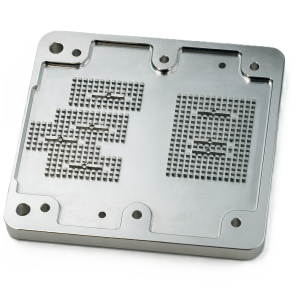
Nano molding technology is a manufacturing process in which plastic resin is injected into a chemically treated metal surface to produce a tightly bonded, hybrid material. This process can help manufacturers achieve lightweight, thin-wall designs, radio frequency transparency, excellent aesthetics and streamlined processing vs. die casting and insert molding. Further, NMT helps protect electronic devices from water and dust.

To these benefits, LNP THERMOTUF WF0087N compound adds thin-wall FR (UL94 V0 @ 1.0mm) while maintaining good bonding strength and mechanical properties, such as impact resistance. In fact, its tight bond with metal is about 60 percent stronger than that of typical FR PBT resins. This property helps designers meet the stringent IP68 standard for water and dust protection.

The new grade also offers robust chemical resistance to harsh anodizing treatments and custom colorability for attractive aesthetics. Its dielectric properties help ensure high signal performance in devices with multiple antennas.

Potential applications for the new compound include antenna splitters and other structural components in smartphones, tablets, smart watches and laptops. The Edison Awards are an annual, global competition honoring excellence in new product and service development, marketing, design and innovation. The 2025 winners were announced on April 2, 2025.

https://www.sabic.com/

#Sabic #Modernplasticsindia #Pasticsnews #ModernPlasticsIndiaMagazine
#PrintPublication #Modernplasticssrilanka

Supporting Circular Economy Efforts via Dual Memberships

Supporting Circular Economy Efforts via Dual Memberships

Aduro Clean Technologies Inc a clean technology company using the power of chemistry to transform lower-value feedstocks, like waste plastics, heavy bitumen, and renewable oils, into resources for the 21st century, today announced its membership in both the Plastics Industry Association (PLASTICS) and the Polystyrene Recycling Alliance (PSRA), a collaborative initiative of PLASTICS focused on advancing polystyrene recycling solutions.

The PSRA brings together stakeholders from across the polystyrene value chain including resin producers, converters, recyclers, and technology developers to support technical collaboration, data sharing, and infrastructure development. The alliance promotes both mechanical and advanced recycling approaches aimed at improving recovery rates and creating viable end markets for polystyrene materials.

Membership in PLASTICS connects Aduro to a broad network of resin producers, recyclers, converters, and brand owners committed to driving sustainability and circularity in the plastics industry. Through PLASTICS, Aduro will participate in working groups and policy discussions that shape the regulatory frameworks, standards, and infrastructure needed to expand the role of chemical recycling and advanced conversion technologies.

Hydrochemolytic Technology (HCT), developed by Aduro, works with water along with a catalyst at moderate temperatures to cleave carbon–carbon and carbon–heteroatom bonds in polymers resulting in lower-molecular-weight compounds. Unlike other technologies that rely on high thermal input to effect uncontrolled rupture of polymer molecules, HCT operates under gentler conditions enabling controlled reaction pathways. The catalyzed, selective chemistry of HCT results in higher yields of hydrocarbon products with high functional group purity with minimal loss of polymer feedstock to undesired by-products such as char or heavy tar and gases. Experiments conducted on bench and large lab scale flow-through units have demonstrated the applicability of HCT to convert post-consumer polystyrene into defined hydrocarbon intermediates such as toluene, ethylbenzene, and cumene. These outputs are compatible with downstream chemical infrastructure and require no further upgrading. While further development and validation are ongoing, these results underscore the potential of HCT to produce valuable chemical products and intermediates from difficult-to-recycle feedstocks and reflect Aduro’s technical strength in valorization of waste streams.

By joining the Polystyrene Recycling Alliance, Aduro is contributing to a collaborative industry effort focused on addressing the systemic and material-specific challenges of polystyrene recovery, such as limited collection infrastructure, low recycling rates, and public misperceptions. These challenges are central to PSRA’s mission to expand access to and adoption of both mechanical and advanced recycling solutions. Aduro’s early-stage work converting polystyrene into targeted hydrocarbon intermediates using its Hydrochemolytic Technology aligns with the Alliance’s objectives to support innovation, data sharing, and viable end-market development. Participation in PSRA complements Aduro’s broader R&D across diverse plastic and renewable feedstocks and reflects the Company’s commitment to advancing science-based approaches to circularity.

“Polystyrene recovery rates remain low, and we’re joining the Polystyrene Recycling Alliance to explore how Aduro’s chemical approach can help address that challenge,” said Ofer Vicus, Chief Executive Officer of Aduro Clean Technologies. “Our membership in PLASTICS extends that engagement across the broader plastics value chain, allowing us to contribute to policy, standards, and technical collaboration as the industry moves toward more circular solutions.”

“We’re pleased to welcome Aduro as a new member of both the Plastics Industry Association and the Polystyrene Recycling Alliance,” said Patrick Krieger, Vice President of Sustainability at PLASTICS. “Their participation reflects a shared commitment to advancing recycling solutions and building a more collaborative, innovative, and sustainable plastics industry.”

Aduro is currently constructing its Next Generation Process (NGP) Pilot Plant in London, Ontario. Designed to operate under continuous flow conditions, the NGP Pilot Plant will support the evaluation of Hydrochemolytic Technology (HCT) using real-world feedstocks. Its modular and scalable design enables flexibility for project-specific applications across a range of customer needs. Aduro’s participation in the PSRA complements this development by facilitating technical exchange, sample coordination, and closer alignment with evolving industry requirements.

Polystyrene is a widely used plastic with applications in packaging, food service, construction, and electronics. Global production exceeds 40 million tonnes per year, with North America accounting for approximately 3.4 million tonnes. Despite this scale, most post-consumer polystyrene ends up in landfills. According to the Environmental Protection Agency in the United States, less than 6% of polystyrene packaging is recycled. Foam formats like expanded polystyrene (EPS) present particular challenges, with over 3.6 million tonnes of EPS waste generated annually and limited municipal collection.

In Canada, plastic waste totaled approximately 4.4 million tonnes in 2018, with only 8% recycled. Polystyrene recovery rates are especially low—estimated at around 10%—and only 35% of municipalities include EPS in their residential recycling programs, limiting access to recycling services for this material.

https://adurocleantech.com/

#adurocleantech #Modernplasticsindia #Pasticsnews #ModernPlasticsIndiaMagazine
#PrintPublication #Modernplasticssrilanka

Cutting Edge Green Technology Presented at “CarbonX” Week

Cutting Edge Green Technology Presented at “CarbonX” Week

From 18 to 25 July 2025, visitors to the Tal X Garden Show in Freudenstadt and Baiersbronn, Germany, explored the world of charcoal and biochar during the “CarbonX” theme week. Arburg participated as a sponsor with an exhibit in the glass pavilion located in the “Xentrum” and hosted engaging presentations under the theme “High-tech meets charcoal burning.”

Arburg Champions Sustainability at “CarbonX” Week in Freudenstadt and Baiersbronn At the heart of the event, an electric Allrounder injection moulding machine produced over 3,500 garden shovels from a sustainable material composed of 50% recycled polypropylene (PP) and 50% biochar—an innovative, CO₂-negative filler developed by Carbonauten. Visitors were able to take the shovels home as practical souvenirs of sustainable manufacturing.

Headquartered nearby in Lossburg, Arburg used the occasion to demonstrate its commitment to the environment and social responsibility. Michael Hehl, Managing Partner, stated at the kick-off event on 19 July: “This week is all about innovation, sustainability, and the power of change. As a global leader, we want to set a strong regional example for environmentally friendly production and business practices.”

Biochar, the highlight of the event, is made from pyrolysed plant waste such as wood chips and damaged wood. Once pulverised and compounded with recycled polymers, it becomes suitable for injection moulding. The material offers a promising route toward carbon-negative manufacturing.

During the panel discussion on 22 July titled “Conversations by the fire. Solving the climate crisis with biochar?”, Arburg application engineer Jonas Bletscher presented the company’s sustainability efforts through its arburgGREENworld programme. He emphasized that Arburg machines can process a wide range of alternative fillers including sunflower seed husks, paper, coffee grounds, and biochar.

Torsten Becker, Managing Director of Carbonauten GmbH, outlined the potential of biochar as a game-changing material in the fight against climate change. The event concluded with a panel discussion that highlighted biochar’s role in reducing CO₂ emissions and supporting circular, low-impact production.

https://www.arburg.com/en/

#arburg #Modernplasticsindia #Pasticsnews #ModernPlasticsIndiaMagazine
#PrintPublication #Modernplasticssrilanka

Sets New Benchmark in PET Bottling by Reaching Over 600 Million Units with Aseptic Processing

Sets New Benchmark in PET Bottling by Reaching Over 600 Million Units with Aseptic Processing

Sidel and Hauser Weinimport celebrate 15 years after installing Germany’s first Combi Predis for aseptic PET packaging

One of the first producers to employ Sidel’s Combi Predis for aseptic PET packing using unique dry preform sterilization technology was Hauser Weinimport. After more than 15 years of operation, the line has flawlessly produced more than 600 million bottles, providing the producer with operational and product reliability.

Hauser Weinimport is a family-owned business that was established in the 1950s and is headquartered in Bavaria, Germany. Originally producing liqueurs and vermouths, the company today primarily offers non-alcoholic soft drinks and flavor-infused teas in PET bottles under the flagship brands Pacific Wave, Bio Eistee, and Eistee Premium. Hauser is a well-known beverage industry leader and dependable copacker for a variety of brands.

“Hauser Weinimport is always looking at trends and striving for innovation. This is what we found in common with Sidel” said Ms. Mayer, CEO at Hauser Weinimport.

Manufacturing flexibility

The aseptic line, installed by Sidel at its Fischbach plant, offers the beverage producer total flexibility with an ability to fill different tea flavours and the signature Sangria beverage, El Curador. The line can operate at 18,000 bottles per hour in the 0.5L format, as well as handle 1L and 1.5L bottle formats.

“When the thread neck diameter remains unchanged, as it does with many of our products, our highly trained operators can complete product changeovers quickly, minimising system downtime,” comments Florian Kotnig, Head of Production at Hauser Weinimport.

Pioneering aseptic Predis technology

Hauser’s line was the first to utilise Sidel’s patented Predis dry preform sterilisation in Germany which works by using hydrogen peroxide mist to sterilise the preform before it enters the oven to be blown into a bottle; packaging remains aseptic without the need for rinsing with water or any other chemicals.

Thanks to Sidel’s cutting-edge technology, the aseptic line has provided Hauser with guaranteed product quality, ensuring smooth operations and consumer confidence.

“The fundamental advantages of this state-of-the technology include its optimal filling conditions and food safety for our beverages, low operating costs, resource savings and its compact design”, explains Florian Kotnig.

Strong partnership

“From the beginning the system was well thought out, fitting within a compact footprint and designed for durability. Sidel is committed to delivering top-tier support to ensure the reliability of the Aseptic Combi Predis, continuously modernising production with innovations like new bottle formats and converting lines to tethered caps,” adds Florian Kotnig.

“We have enjoyed consistent performance and long-term operational efficiency over the years thanks to Sidel’s comprehensive maintenance services and advanced care systems. Based on preventive planned maintenance, Sidel technicians run regular diagnostic checks on our machinery when in operation and during maintenance, creating reports and measures to ensure the line remains running at peak performance. We can always count on Sidel’s support 24 hours a day, seven days a week, via remote access or by phone.

“Above all, product quality is a must for Hauser and it is with this in mind that we originally installed the aseptic packaging line from Sidel. The close working relationship between Sidel and Hauser contributes to the maximum productivity with minimum operational interruptions.”

https://www.sidel.com/en

#Sidel #Modernplasticsindia #Pasticsnews #ModernPlasticsIndiaMagazine
#PrintPublication #Modernplasticssrilanka

Breakthrough Materials Designed to Lower Carbon Footprints Lead Conversations at K 2025

Breakthrough Materials Designed to Lower Carbon Footprints Lead Conversations at K 2025

At K 2025 in Dusseldorf, Germany, Dow will highlight the range of its materials science solutions to show how plastics can drive positive change and a more sustainable, customer-focused future under the subject “Generation Transformation.”

“Inspired by this year’s K Show theme ‘The Power of Plastics’, we asked ourselves: who, or what, generates that power? It’s the innovation and collaboration among individuals and organizations, responding to the pressing challenges we face in industry and society. Jointly we are all part of Generation Transformation,” said Stephanie Kalil, commercial vice president EMEA, Packaging & Specialty Plastics, Dow.

“We are inviting the entire value chain to join us in exploring how joint innovation can contribute to enhancing performance and sustainability in packaging and consumer solutions, driving the next generation of mobility, and building places that last.”

Dow’s purpose-built building 04.1, just outside Hall 4 at the very heart of the K Show campus, will contain spacious exhibition areas that bring different facets of Generation Transformation to life. Visitors can explore the latest solutions across Packaging, Consumer, Infrastructure and Mobility segments.

Matching materials with performance

New packaging innovations developed in collaboration with brand owners and converters will be on display alongside Dow’s full range of solutions including mono-polyethylene (mono-PE), bio-circular, circular and post-consumer recycled (PCR) materials that provide enhanced product shelf life, tamper resistance and tear resistance, as well as helping customers prepare for the Packaging and Packaging Waste Regulation (PPWR). This includes the new D-PAK cartons, produced in collaboration with Elopak and Orkla Home and Personal Care (OHPC), which offer a unique mix of circular (recycled) polyethylene and bio-circular (renewable) polymers.

In the consumer sector, Dow will be showcasing its latest collaboration with Guerlain, one of the prestigious maisons of LVMH, the world’s leading luxury brand. Guerlain is utilizing SURLYN REN Ionomers for La Petite Robe Noir perfume caps, which offer the design freedom and transparency required by luxury brands. Also on show will be footwear and accessories from some of the world’s most recognizable brands, demonstrating Dow’s high-performance materials solutions that don’t compromise on style or comfort.

Driving next-generation mobility

Anticipating the upcoming end-of-life vehicle directive, Dow’s MobilityScience will showcase solutions that support Original Equipment Manufacturers (OEMs) in meeting regulatory targets, including the latest developments for automotive seating with EVOAIR Polyolefin Elastomers (POE) based leather, a lightweight alternative leather solution offering a luxurious feel, and INFINAIR Polymers for 3D Loop Technology enabling end-of-life mechanical recycling for seat cushion circularity. A range of products addressing the automotive industry’s focus on lightweighting, circularity and electrification will also be featured.

Building places that last

The breadth of Dow’s cross-segment infrastructure offering will also be showcased at K, with a view to helping reduce greenhouse gas emissions, increase efficiency, and support the industry’s transformation towards a more sustainable, resilient future. With the energy transition at the forefront, Dow will be showcasing solutions spanning from wire and cables to piping and building materials. REVOLOOP Recycled Plastics Resins for cable jackets, incorporating post-consumer recycled (PCR) material, will also be featured at K.

“We have a once-in-a-generation opportunity to redefine plastics as a powerful enabler of sustainable transformation and modern life, “said Abby Turner, sustainability and growth marketing director EMEA, Packaging and Specialty Plastics, Dow. “We are inviting partners from every sector to join us at K to help shape the industry for generations to come.”

https://corporate.dow.com/

#dow #Modernplasticsindia #Pasticsnews #ModernPlasticsIndiaMagazine
#PrintPublication #Modernplasticssrilanka

Greener Future for Volcanic Water with Efficient Bottling

Greener Future for Volcanic Water with Efficient Bottling

The Garrotxa area of Spain, in the province of Girona, is famous for its distinctive and dramatic volcanic scenery. Thanks to the existence of over 40 volcanoes, dense forests and green pastures, the environment of this part of Catalonia is essential in the creation of the precious Sant Aniol water, which, in 2024, received the SILVER award for taste and the BRONZE for Design in the first edition of the “FineWaters 2024” International Water Tasting Competition organized by the Basque Culinary Center. The prize bears witness to the clarity and quality from the volcanic setting, which fosters balanced mineralization of water and testifies to the firm’s solid commitment to excellence and nature protection. Sant Aniol is also concerned about the optimisation and innovation of materials employed in packaging, reducing the company’s impact on the environment. Rigorous quality checks and a production system with no human contact, are capable of ensuring a contamination-free bottling and extraction process. Energy consumed in the plant has been 100% green since 2018, through the establishment of a 275-hectare security zone, the Spanish firm also safeguards the water resource from any contaminating activity. The Sant Aniol Spring is found inside the Garrotxa Natural Park, at over 120 metres depth, in a site typified by sedimented lava and volcanic rock that provides the water with purity and fine qualities.

BOTTLES WITH A VOLCANIC SPIRIT

The distinctive, incredibly exquisite design of Sant Aniol’s glass and PET bottles comes from the desire to highlight the features of a product that has been featured in the finest hotels and restaurants across more than 20 countries for more than 15 years and that stands out at the points of sale. In 2015, Spanish artist and designer Martín Azúa created a special bottle for Sant Aniol, the surface of which was inspired by the volcanic rocks of Garrotxa, where the water comes from. This inspired the design of PET bottles made by the EBS 8 KL ERGON stretch-blow molder provided by SMI.

SMI SOLUTIONS FOR SANT ANIOL

Companies in the food sector, are now strongly committed to the green and digital transition and put the well-being of consumers and workers at the center of their production processes. For Sant Aniol, the environment is a primary asset to be safeguarded and, to achieve this goal, the company uses the latest generation technologies capable of maximising energy savings. 15 years after the supply of an SMI stretch-blow moulder of the first-generation SR 8 series, Sant Aniol has once again turned to SMI for the installation of the new EBS 8 KL ERGON model, intended for the bottling line of natural water in 0.33 L, 0.5 L and 1.5 L PET containers. The great advantage of the new plant installed at the Sant Aniol de Finestres plant (Girona) is that it has an efficient system to significantly reduce energy costs. The EBS 8 KL ERGON purchased by the Spanish company uses moulds equipped with the “ReduxAir” system, an innovative solution that allows stretchblow moulding operations to be carried out at lower pressures than those traditionally used. Depending on the characteristics of the preform, the bottle and the working conditions, 15-20 bar is sufficient compared to the 30-35 normally used in this process. This makes it possible to reduce the use of the high-pressure air compressor, with a consequent reduction in electricity consumption.

EBS 8 KL ERGON ROTARY STRETCH – BLOW MOULDER

Functions: stretch-blow moulding of PET bottles of natural water at a maximum speed of 16,000 bottles/hour. Bottles worked: 0.33 L, 0.5 L and 1.5 L cylindrical containers.

Main features :

  • the SMI stretch-blow moulder adopts solutions that ensure energy saving, such as the “ReduxAir” mould and the “AirMaster” air recovery system
  • a plant suitable for the production of lightweight PET containers, which, through an appealing design, reflect the uniqueness of bottled water, promote the brand and minimise environmental impact
  • compact, automated plant equipped with digital intelligence that meets the needs of efficient production and constant monitoring of machine consumption.

ENERGY – SAVING BENEFITS

The EBS 8 KL ERGON stretch-blow moulder is characterised by the presence of an innovative preform heating oven that is extremely compact and equipped with an aluminium diffuser that ensures optimal temperature control to prevent overheating. The energy costs for the production of bottles are also reduced thanks to the presence of energy-efficient IR lamps and heat-reflecting panels equipped with ceramic elements. The stretch-blow moulding module is equipped with a high-efficiency two-stage air recovery system, called AirMaster, which recovers the air from the blowing circuit and thus ensures a significant reduction in compressed air consumption and significant energy savings, thanks to the reduced use of the high-pressure compressor.

BENEFITS FOR ENERGY EFFICIENCY

The EBS KL ERGON stretch-blow moulder supplied to Sant Aniol, is equipped with an energy meter equipped with a digital LCD display, which, through the monitoring of energy consumption, allows the operational efficiency of the plant to be optimised. The meter installed on the machine is used to record and display electricity consumption, voltage, current, and power alternately over a given period. Thanks to these devices, SMI machines can benefit from the services offered by the SMYIOT platform, an interactive database that remotely collects, verifies, processes and enhances all the operating parameters of the plant, both at the level of the individual machine and of the entire production line, in order to improve operational efficiency and energy performance, schedule maintenance interventions and reduce production costs overall.

BENEFITS TO SAFEGUARD THE ENVIRONMENT

The solution developed by SMI to reduce the pressure of the blowing air used in the production process of PET bottles perfectly responds to Sant Aniol’s goal of having technologies that minimize the impact on the environment, thanks to lower electricity consumption by the compressor, savings on energy costs and consequent less air pollution.

The EBS 8 KL ERGON stretch-blow moulder installed at the Girona plant is fitted with stretch-blow moulds equipped with the special “ReduxAir” bottom, which, through special technical and design measures, allows the air between the outer walls of the bottle and the surface of the mould to be released much faster, making it possible to produce rPET/PET containers with lower air pressures. especially:

  • 33 L containers with air pressure at 15 bar
  • 5 L containers with air pressure at 17 bar
  • 5 L containers with air pressure at 25 bar

Of course, this value depends on the characteristics of the preform and the bottle and the working conditions in which the stretch-blow moulding process is carried out. As it is well known, compressed air is produced by a high-pressure compressor powered by electricity, so the lower the level of air compression to be obtained, the less electricity the machine consumes. The special “ReduxAir” end cap was precisely created to allow stretch-blow moulding operations at lower pressures than those usually used (about 35 bar) and to ensure a green advantage to the companies that adopt it.

ACCURATE QUALITY CONTROLS ON MOULDS AND BOTTLES

The great advantage offered by the “ReduxAir” solution proposed by SMI to reduce the compressor’s consumption of electricity can be obtained by applying some design restrictions regarding the shape and characteristics of the container to be blown. Therefore, close collaboration between the customer and SMI engineers is essential to evaluate all the technical elements that may affect the applicability of the “ReduxAir” end cap to the production process of a specific bottle and offer advice on how to achieve the highest quality of the container.

In fact, the appeal of a container also depends on the accuracy and precision, with which the moulds used to produce it are made. Therefore, countless tests and checks are carried out on both moulds and bottles in SMI laboratories to ensure excellent aesthetic results and ensure an efficient production process. The use of sophisticated equipment allows us to perform dimensional checks and tests on the preforms used by the customer, in order to accurately measure the thickness of the same and the homogeneity of the polymer of which they are made. SMI also performs other tests on blown bottles to ensure that the quality of the final product corresponds to the customer’s expectations.

SAVE ENERGY WITH THE AIRMASTER AIR RECOVERY SYSTEM

The AirMaster air recovery system consists of two systems. The first basic system allows you to recover the air that is then used for the pre-blowing and service phase of the machine. Two valves are mounted on each stretch-blow moulding station: the first feeds the recovery system, introducing air into the line of the same, while the second discharges the air that cannot be recovered. In addition, the recovered air is taken to feed the machine’s pre-blowing and service circuit. The working pressure of the pre-blowing and service circuit is managed by two electronic regulators. The second air recovery system complements the first and guarantees further savings in compressed air, because it takes part of the exhaust air and uses it exclusively for the blowing phase. Under certain working conditions, the AirMaster is able to enable reductions in compressed air consumption of up to 30%.

https://www.smigroup.it/

#smigroup #Modernplasticsindia #Pasticsnews #ModernPlasticsIndiaMagazine
#PrintPublication #Modernplasticssrilanka

Paper Industry Transforms with Green Technology and Smart Solutions

Paper Industry Transforms with Green Technology and Smart Solutions

The demand for paper has changed as a result of the digital revolution, which has also spurred innovation.  According to McKinsey study, future growth in the paper and forest products business will be a reflection of economic development, population growth, and growing customer preferences for eco-friendly products.
Consumer packaging will be impacted by demographic changes and consumer preferences including the need for sustainability and convenience, while over the next years, e-commerce will fuel the expansion of transport packaging. This changing landscape is driving pioneering approaches and fresh product diversification that meet the expectations of environmentally conscious consumers.

They include innovative alternatives to:

Pulp fibers: A wide variety of renewable sources can be used including agricultural residues (e.g. straw, corn stalks), grasses (e.g. switchgrass, miscanthus), and fast-growing crops like bamboo and hemp. Moving away from traditional wood fibers helps paper manufacturers reduce their environmental impact. They can also support the production of high quality, environmentally friendly pulp and paper products that meet the increasing consumer demand for sustainable products. Examples include Favini’s Tree Free family that uses bamboo and Shiro Alga Carta conceived as a way to use the damaging algae in the Venice Lagoon, Fedrigoni’s Bamboo WS FSC self-adhesive range, and Antalis’s Curious Particles options.

Plastic: Renewable and biodegradable paper-based packaging offers a solution to the international reliance on single use plastics. The challenge is to create a solution that meets the expected environmental and performance standards. Finland’s Metsä Group has developed its Muoto 3D fibre line, that uses moulded pulp technology to create lightweight, durable packaging solutions. Smurfit Westrock’s Better Planet Packaging Initiative aims to redefine packaging as a sustainable, circular solution, and has resulted in the creation of AgroPaper, a degradable paper alternative to plastic film in agriculture, which can enrich the soil post-use; TopClip, a recyclable alternative to shrink wrap for multipack beverage cans popular among breweries; and paper pallet wrap, a stretchable paper that can replace plastic stretch film in logistics.

Synthetic textile fibers: Dissolving pulp has been developed to replace non-renewable synthetic fibers like polyester and nylon that are made from fossil fuels andused in textiles. Derived from wood cellulose, dissolving pulp can be transformed into regenerated fibers like viscose, lyocell, and modal. Many global pulp and paper companies are expanding their production to meet the textile industry’s demand. Innovations in blockchain technology are also enhancing traceability – a growing priority for the fashion sector. For example, Sappi’s dissolving pulp brand Verve partnered with a key customer on ‘Green Track’ blockchain technology to provide a forest to garment traceability solution. Södra’s OnceMore initiative focuses on the circularity of textile fibers. The industrial scale recycling process combines textile waste with responsibly sourced wood fibers to create virgin quality dissolving pulp. It separates polyester from cotton, reusing the cotton to create OnceMore pulp while incinerating the polyester to generate energy for its operations. Antalis’s Refit also transforms textile remnants into sustainable paper grades.

Advances in the papermaking process itself have resulted in high density papermaking and long-fibre papermaking. The former is ideally suited to applications in packaging and industrial sectors where robust materials are essential, while the latter’s superior printability and aesthetic appeal make it a preferred choice for premium publications and marketing collateral.

Innovations in machine learning have also optimised fiber blending processes, allowing for precise control over paper properties such as strength, opacity, and surface finish. While Nanotechnology is being used to incorporate nanoparticles into paper coatings to improve printability, moisture resistance, and durability. It enables powder fixation processes that reduce the environmental footprint of paper production by minimising chemical usage.

These solutions illustrate how the industry is progressing in many ways to address consumer demand for environmentally responsible solutions.

This is something we at Ricoh are experienced in. Most recently with our development of the High Caliper Media Customisation service for the RICOH Pro C9500 digital colour sheetfed press that enables the production of Green Gift Cards – a highly sustainable, board based, alternative to plastic gift cards. The new press capability also opens doors to high margin applications including luxury business cards, swing tags, and gift card packaging.

Talk to Ricoh and discover the possibilities that can be explored when creative, sustainable, and environmentally responsible substrates are combined with the latest digital printing technology.

www.ricoh.com

#ricoh #Modernplasticsindia #Pasticsnews #ModernPlasticsIndiaMagazine
#PrintPublication #Modernplasticssrilanka