Home Blog Page 29

Advancing Circularity with Certified Materials in Focus at K Preview 2025

Advancing Circularity with Certified Materials in Focus at K Preview 2025

Photo Credit: Messe Düsseldorf

At K Preview 2025, CHIMEI Corporation sent a bold and ambitious message to the world, reaffirming itself as a sustainability-driven leader in the performance materials sector. The event was a key stage for the Taiwan-based company to showcase its latest advancements in bio-based and recycled plastics, focused on materials that not only perform to high levels of utilization but also comply with tough international standards, such as ISCC PLUS and ISO 14067. The certifications demonstrate CHIMEI’s commitment to full traceability, guaranteed carbon accounting, and environmentally sustainable use of resources—priorities that are very much in alignment with the industry move towards a circular economy.

At the core of CHIMEI’s message was the strength of collaboration and openness. Represented by company leaders Morris Ling and Shang Ju Yang (Roy), CHIMEI led the way with a resounding win that transcended product specifications, creating dialogue aimed at structural changes taking place in the industry of materials production and consumption. The company’s presentation emphasized how circular solutions, enabled by certified materials and digital traceability tools, can convert waste into valuable resources. Their ISCC PLUS-certified products are mass balance-based, allowing seamless integration into existing value chains, while ISO 14067 certification provides a reliable method for tracking and managing carbon footprints. These tools together offer CHIMEI’s partners the confidence to pursue more ambitious environmental goals without compromising on quality or performance.


Shang Ju Yang (Roy), Sustainable material solution Department Manager at Chimei Corporation, Photo Credit: Messe Düsseldorf
“Our approach is about closing the loop. But it’s not something any one company can do alone. What we saw at K Preview was a global willingness to co-create, and that’s what inspires us.” Roy Yang noted during a discussion at the event

A central theme that resonated throughout the preview was the necessity of co-creation. CHIMEI’s recycled plastics, which utilize both post-consumer and post-industrial waste, were presented not only as end products but as building blocks for new collaborative opportunities. The materials are already being used in applications such as automotive interiors, consumer electronics, and durable packaging, where strict mechanical and safety standards must be met. This pragmatic approach—coupled with proven sustainability—resonated with K Preview attendees from many different industries, such as OEMs, product designers, and circular economy advisors.

This sentiment was echoed in the strong turnout and the quality of engagement at CHIMEI’s booth, where decision-makers sought both inspiration and actionable insights into how certified materials can unlock low-carbon transformation in their industries.

With this momentum, CHIMEI now looks forward to K 2025 with new vigor and direction. At K 2025, CHIMEI will showcase a further portfolio of sustainable solutions, such as next-generation recycled ABS and PC blends, bio-attributed materials, and new digital platforms for feedstock traceability and carbon footprint monitoring. Attendees can also expect to learn about CHIMEI’s growing ecosystem of partnerships—across Europe, Asia, and North America—where real-world case studies are demonstrating how material innovation and responsible sourcing can go hand in hand.

CHIMEI’s proactive participation at K Preview 2025 made it clear that the company is not merely responding to sustainability trends, but actively shaping them. Its approach is grounded in data-backed environmental transparency, process innovation, and a systems-level mindset. By aligning with international standards, investing in green technologies, and encouraging open dialogue across the value chain, CHIMEI is helping shift the industry’s focus from short-term compliance to long-term transformation.

In the lead-up to K 2025, the company continues to invest in advanced recycling technologies, renewable energy integration, and life cycle assessment tools to reduce the environmental footprint of its operations and products. CHIMEI’s circular strategies are embedded not only in R&D but also in production, marketing, and supply chain practices, reflecting a holistic commitment to sustainability that is rarely seen at this scale.

CHIMEI’s participation was not only an exhibition at K Preview 2025, but a commitment to action. The company proved how innovative thinking, global certification and true collaboration within the plastics industry can overcome the challenges which face us today. With that CHIMEI has the world to join it in this conversation at K 2025 with a clear and inspiring message: Sustainability is not a destination—it’s a journey best taken together.

www.chimeicorp.com

#chimeicorp #Modernplasticsindia #Pasticsnews #ModernPlasticsIndiaMagazine
#PrintPublication #PowerofPlastics #Modernplasticssrilanka

Revolutionizing Recycling: Bioplastics from Organic Waste Set to Steal the Show at K 2025

Revolutionizing Recycling: Bioplastics from Organic Waste Set to Steal the Show at K 2025

“Microplastics are everywhere.” This direct statement lays the groundwork for the challenge that drives Caleyda, a new-generation, biodegradable material from the Dutch company Paques Biomaterials. With rising environmental protection measures and consumer tastes turning toward sustainability, Caleyda steps up as an attractive solution—providing a natural, scalable, and sustainable alternative to traditional plastics. That breakthrough will be highlighted at K 2025, the world’s leading plastics and rubber trade fair, where material circularity and next-generation solutions come to the forefront.

At its core, Caleyda is based on polyhydroxyalkanoates (PHAs), a class of biopolymers naturally synthesized by microbes as energy and carbon reserves. These polymers are unique in their ability to biodegrade in soil and marine environments—breaking down like cellulose or starch, without leaving behind microplastic residues. This makes PHAs, and by extension Caleyda, a promising answer to the persistent threat of plastic pollution.

Richard Schrama, Chief Commercial Officer, Paques Biomaterials, Netherlands, Photo Credit: Messe Düsseldorf
“We’ve tested, piloted, and validated Caleyda through years of iteration. We’re ready to scale,” says Richard Schrama, head of business development.

Unlike earlier bioplastics that rely on crop-derived feedstocks, Caleyda utilizes waste feedstocks sourced from industrial and municipal wastewater. “PHA‑producing microbes can be found in wastewater treatment plants and selectively enriched,” explain the Paques Biomaterials team. This innovative approach not only diverts organic waste from treatment systems but also supports a circular economy by upcycling it into valuable biomaterial.

Caleyda’s development began in 2011, with extensive lab research and pilot trials spanning 2012 to 2023. A major turning point came in 2018, when a solvent‑based extraction process was introduced, improving material consistency. By 2021, a dedicated business unit—Paques Biomaterials—was established to commercialize Caleyda, and external pilots further validated its market readiness.

Photo Credit: Messe Düsseldorf

Scaling up PHA production poses significant challenges—from grams to kilograms, and now to industrial scale. By 2025, Paques Biomaterials aims to produce pilot batches of 25 to 100 kg, with plans to launch large‑scale manufacturing by 2027. Central to this strategy is the PHA Hub and Caleyda extraction plant in Emmen, Netherlands—part of the GECKO Project—designed to yield up to 6,000 tonnes per year of PHA.

Paques Biomaterials has crafted a hybrid value‑chain model that combines centralized extraction with decentralized PHA‑X production at wastewater facilities. This mix ensures both economies of scale and local stakeholder engagement, facilitating a modular approach that’s adaptable globally.

Market trends underscore the timeliness of Caleyda. Global PHA production currently stands at roughly 100,000 tonnes per year, with forecasts projecting growth to over 1 million tonnes by 2029. Although bioplastics are costlier than fossil-derived plastics, niche markets—such as coatings, adhesives, agricultural films, textiles, and high-value packaging—are increasingly open to paying premiums for sustainability. Emerging applications in 3D printing and ecosystem restoration further broaden its appeal.

The regulatory landscape is also a key factor. Laws like the EU’s Single-Use Plastics Directive are phasing out traditional plastics, while ESG mandates are pushing corporations toward sustainable sourcing. “The material transition shall take time,” acknowledges the team, “but the economy of scale in biobased production shall support demand across many markets.”

Dr. João Sousa, Technology Development Leader at Paques Biomaterials, Photo Credit: Messe Düsseldorf
“We are not just offering a new material—we are offering a new system,” says João Sousa

Caleyda’s commercial strategy is multi-stage and client-focused. From early prototyping to conditional offtake agreements and proof-of-concept validation, Paques Biomaterials is nurturing partnerships with converters and brands from the outset who leads technology development. This consultative engagement fosters trust and paves the way for long-term alliances.

To guide the introduction of Caleyda, Paques Biomaterials has brought together a multidisciplinary team of application engineering, business development, quality control, analytics, and marketing. Their value proposition covers all aspects and includes not only performance, but genuine sustainability credentials and supply assurance.

The Emmen facility—GECKO PHA‑X production plant and Caleyda processing center—is expected to be up and running by 2027. Modeled as a template for scaled-up deployment, it combines wastewater feedstock treatment with downstream centralized PHA purification. Pilot production and sampling during 2025–2026 will enable domestic and foreign trials, with commercialization on a full scale by 2028.

As industry leaders, investors, and sustainability advocates convene at K 2025, Caleyda is positioned to steal the spotlight—not just with its eco-friendly credentials, but with its readiness for market delivery. Combining scientific innovation with commercial discipline, Paques Biomaterials offers more than a green material—it offers a replicable system for industrial upcycling. In an era increasingly defined by circularity, Caleyda represents a tangible pathway toward replacing single-use plastics and reshaping the materials economy.

With a solid development track record, a future-focused value chain, and a market ready for disruption, Caleyda could be one of K 2025‘s most impactful innovations. As regulations clamp down and green sourcing becomes the norm, technologies such as Caleyda will pave the way toward a genuinely circular, low-carbon future.

https://www.paquesbiomaterials.nl/

#paquesbiomaterials #Modernplasticsindia #Pasticsnews #ModernPlasticsIndiaMagazine
#PrintPublication #PowerofPlastics #Modernplasticssrilanka

Advancing Plastic Processing with Smart Measurement and Sustainability at K 2025

Advancing Plastic Processing with Smart Measurement and Sustainability at K 2025

From October 8 to 15, 2025, SIKORA AG will showcase cutting-edge technology for measuring, control, inspection, and sorting at the international trade show K 2025 in Düsseldorf. With an emphasis on product quality, material efficiency, sustainability, and economical manufacturing, the systems on display raise the bar for quality control in the tube, pipe, hose, and plastics industries.

Photo Credit: Messe Düsseldorf

Plastic processing and manufacturing technologies must progress to meet the growing demands of infrastructure, urbanization, electromobility, and recycling. SIKORA tackles these issues with creative solutions that guarantee superior quality and production efficiency, such as in the production of water, gas, or wastewater pipes, where supply security depends on quality. Because purity dictates the final product’s sustainable use and recyclability, plastic pellet manufacturers also gain from this.

Global markets in transition: Demand for intelligent measuring technology is growing

The global demand for measuring technology in the plastics and pipe industry is rising, driven by infrastructure modernization in countries like China and other emerging markets, as well as growing demand for high-quality pipe systems in the course of urbanization. In Europe and North America, the focus is shifting towards energy efficiency and the renovation of existing supply networks. Electromobility also presents new production challenges – for example, in the manufacturing of high-quality battery cooling lines – which SIKORA’s measuring technology reliably addresses.

Maximum purity for high performance
In the plastics industry, high-performance applications are becoming more and more significant. Cross-linked polyethylene (XLPE) and fluoropolymers, which are nevertheless used in the manufacturing of cables despite regulatory obstacles, particularly in the pharmaceutical and automotive sectors, are subject to increasing purity requirements. The best material quality is also required for optical polymers like polycarbonate, which are gradually taking the place of glass in displays. When sorted with the highest care, polypropylene (PP) is becoming a more affordable and recyclable substitute for XLPE.

Inspection and sorting of plastic pellets with the PURITY SCANNER ADVANCED.

Live at the trade fair: Intelligent inspection and sorting solutions

At the trade fair, they will showcase the PURITY SCANNER ADVANCED, a powerful system that inspects plastic pellets in real-time using X-ray and optical technologies and sorts them with high precision. This is complemented by the PURITY CONCEPT V inspection and analysis system. Ideal for repeatable laboratory applications, it detects black and colored contaminants as small as 50 µm as well as discolorations. Under the motto “Human vs. Machine”, they invites visitors to bring small quantities of pellets or sample plates – and put their materials to the test. Participation is free and offers a great opportunity to experience the system’s precision, speed, and user-friendliness firsthand – and maybe even make a surprising discovery. Best of all: if no contamination is detected, participants will receive a small surprise. If contaminants are found, the visitor will receive a detailed inspection report providing valuable insights into material quality.

New standards in tube, pipe and hose extrusion

Artificial intelligence and data-based analyses play an important role in measuring technology and are already an integral part of SIKORA’s product development and the basis for further progress in the field of automated and autonomous quality control.

Another trade fair highlight is the new X-RAY 6000 PRO C-PIPE, a measuring system for precise detection of layer transitions in the production of double-wall corrugated tubes and pipes (DWC). It combines proven X-ray technology with AI-powered software that delivers reliable data on wall thickness and eccentricity, especially during the critical start-up phase of extrusion. This enables fast and efficient centering and significantly reduces start-up scrap. Artificial intelligence and data-driven analysis play a key role – already today, they are an integral part of their product development and a foundation for further progress in automated and autonomous quality control.

Also pioneering is the CENTERWAVE 6000, which uses radar technology to measure diameter, centricity, wall thickness, inner profile, and ovality of plastic pipes non-contact and across the entire circumference. The integrated “Dynamic Shrinkage Prediction” function allows for precise forecasting of the final pipe dimensions already after the first vacuum tank – a crucial advantage for early process optimization.

Innovations for sustainable production of tomorrow

At the heart of SIKORA’s trade fair presentation is the forward-looking vision: “Innovative Solutions for a Sustainable Future.” The goal is not only to advance technological innovations but to align them with economic benefits and ecological responsibility.

As a global provider of precise quality control in the production of tubes, pipes, hoses, and plastics, they contribute not only to product quality but also to resource conservation and climate protection. Through the targeted use of high-precision measuring and control technology, material use in production is optimized, significantly reducing the consumption of valuable raw materials. Their devices worldwide enable savings of around 3.6 million tons of plastic per year – equivalent to avoiding approximately 11 million tons of CO₂. This calculation is based on the assumption that producing one ton of plastic – such as HDPE, PE, or PP – generates an average of around 3 tons of CO₂ emissions. A prime example of this efficiency is the use of the CENTERWAVE 6000 for non-contact wall thickness measurement of pipes, which can reduce material usage by up to 8%. To put that into perspective: annually, the globally installed CENTERWAVE 6000 systems avoid as much CO₂ as several hundred million trees could absorb. This impressively demonstrates how technological innovation directly leads to greater sustainability in manufacturing.

SIKORA at K 2025: A clear signal for quality, efficiency, and future readiness

With its presence at the trade fair, SIKORA underscores its ambition to be a pioneer in intelligent, sustainable measuring technology solutions for the plastics industry. The presented systems address the industry’s current challenges and enable both economically and ecologically optimized production.

www.sikora.net

#sikora #Modernplasticsindia #Pasticsnews #ModernPlasticsIndiaMagazine
#PrintPublication #PowerofPlastics #Modernplasticssrilanka

Silicone Elastomer Solutions for Power, Transport, and Daily Use Debut at K 2025

Silicone Elastomer Solutions for Power, Transport, and Daily Use Debut at K 2025

Photo Credit: Messe Düsseldorf

At a press conference hosted by Messe Düsseldorf, WACKER presented its first product highlights for K 2025, the 23rd International Trade Fair for Plastics and Rubber coming up in October. In Hall 6 at Booth A10 – covering an area of 360 square meters and sporting WACKER’s new booth design –, the Group will be showcasing innovations in the areas of grid expansion, e-mobility, sensors and lifestyle applications.

WACKER will also display a new booth design at the trade fair. The portfolio will focus on new silicone products for energy, e-mobility, digitalization and sustainability. Highlights are ceramifying silicone rubber for e-mobility and electroactive silicone laminates for sensors, among others. Live-production of mouthpieces for air up water bottles with resource-saving silicone elastomers will take place during K 2025.

For the economical manufacture of hollow-core insulators, addition-curing solid silicone rubber is the main emphasis in the field of grid expansion. Additionally, a silicone solution for busbars is celebrating its debut in the field of electromobility. In the case of a fire, it ceramifies, preventing short circuits in electric automobiles‘ traction batteries.

Martin Bortenschlager, Director Engineering Silicones EMEA & LATAM, Photo Credit: Messe Düsseldorf
“Silicones are true all-rounders. In addition to being easy to process, extremely robust and versatile, they have very good mechanical properties. For this reason, they are increasingly being used for applications that place high demands on the materials required. This is what makes technical innovations in important industries possible in the first place, for example in electromobility, medical technology or digitalization,”

Another highlight is silicone laminates, which they recently began producing on a commercial scale. They are electroactive and can, for example, be used as sensors in the field of digitalization. There is also news on the sustainability front. For example, a novel product from the ELASTOSIL eco series. These silicones are produced using plant-based methanol and are therefore particularly resource-efficient. The product is hyperpure and requires no post-curing, thus making it suitable for use in lifestyle products and beverage bottles. During the trade fair, WACKER will be producing mouthpieces for air up water bottles with the new liquid silicone rubber (daily during the trade show from 9:30 am to 6 pm).

POWERSIL 1900 A/B, WACKER’s new high-consistency silicone rubber, facilitates the low-cost, high precision production of composite insulators via spiral extrusion processes.

Bortenschlager, an expert in silicones, cited the use of silicone products in energy transmission as an example. According to estimates by the European Commission, the refurbishment and expansion of energy networks in Europe will require investments of over 580 million euros. “As an insulation material, silicone plays an important and sustainable role in the safe operation of the energy grid. They insulate well, are resistant to both weathering and UV radiation and, unlike porcelain and glass insulators, do not normally need to be cleaned. They are therefore used in practically all areas of energy and transmission technology, especially in outdoor applications. “The demand here is immense and holds a huge market potential for us,” said Bortenschlager.

POWERSIL 1900 A/B

POWERSIL 1900 A/B is a new high-consistency silicone rubber for the production of hollow-core insulators. The product is supplied as a 2K system and is suitable for manufacturing processes that involve spiral extrusion. In contrast to other production methods, this makes the manufacturing of even large-scale insulators with variable diameters easier and more cost-effective. Thanks to their comparatively low weight, hollow-core insulators are much easier to install than rod insulators with a solid core. Weight savings may add up to 80 percent.

Interior view of a traction battery in an electric vehicle. The enlarged section shows the busbar (orange) insulated with ELASTOSIL R 531/60. It is bent and fit into the battery architecture after sheathing. Thanks to its high elasticity and notch impact strength, the silicone can easily cope with this molding and bending process.

ELASTOSIL R 531/60

Busbars are basically aluminum or copper rails that distribute the current between the battery cells and modules. As nominal battery voltages in electric vehicles are already in the range of 300 V to 900 V, the reliable insulation of busbars is a must. At K 2025, WACKER presents a new product that reliably insulates such components. ELASTOSIL R 531/60 makes the sheathing of busbars cost-effective. In the event of fire, the product ceramifies and forms an electrically insulating protective layer that reliably prevents short circuits. ELASTOSIL R 531/60 thus plays a vital role in passenger and fire safety of electric vehicles.

NEXIPAL Sense

Silicone laminates take the production of flexible printed electronics to the next level. NEXIPAL Sense laminates consist of highly stretchable silicone elastomers and electrically conductive silicone films that jointly work as a flexible and stretch-able capacitor. Pressure or flex movements change the electrical capacitance of the component. Different voltage states thus provide precise sensor signals for applications in medical technology, robotics and sports. At the Group’s production site near Burghausen, serial production of sensor laminates has started. WACKER will be presenting itself for the first time ever at this year’s K 2025 trade fair as a manufacturer of prefabricated components that are produced using a specially developed and fully automated roll-to-roll manufacturing process. This will position the company as the world’s first supplier of customized flexible sensor laminates on an industrial production scale.

At K 2025, WACKER will demonstrate live how ELASTOSIL eco LR 5003 is used to manufacture the mouthpiece of air up’s innovative water bottles

ELASTOSILeco LR 5003

In its sustainability zone, WACKER will present its new “eco” grade ELASTOSIL eco LR 5003. The non-postcure liquid silicone rubber is particularly suitable for the large-scale manufacture of products in the food industry and other sensitive areas. As far as their volatiles content is concerned, molded parts made from such silicones comply with the limits stipulated by the German Federal Institute for Risk Assessment (BfR) even without postcuring. They also meet the requirements of the U.S. Food and Drug Administration (FDA) for food-contact products. As a result, production of life-style products, drinking straws, baking tins, dough scrapers and other items is made very efficient. WACKER will use ELASTOSIL LR 5003 to injection mold mouthpieces for trendy water bottles designed by the company air up during the K show, using equipment by the courtesy of ARBURG and RICO Elastomere Projecting (live-demo daily from 9:30 am until 6:00 pm).

www.wacker.com/

#wacker #Modernplasticsindia #Pasticsnews #ModernPlasticsIndiaMagazine
#PrintPublication #PowerofPlastics #Modernplasticssrilanka

Sustainable, Carbon-Neutral Bike Backpack Set to Lead at K 2025

Sustainable, Carbon-Neutral Bike Backpack Set to Lead at K 2025

VAUDE, the outdoor apparel and equipment brand at the forefront of sustainable outdoor fashion and technology, introduces its groundbreaking partnership with BASF in creating the climate-friendly new TRAILCONTROL ZERO 20+ bike backpack. In its strategic integration of environmental responsibility and cutting-edge engineering, VAUDE uses BASF’s pioneering Ultramid ZeroPCF—a polyamide (PA) 6 with a zero Product Carbon Footprint (PCF)—to produce this next-generation bike backpack.

Photo Credit: Messe Düsseldorf

Ultramid ZeroPCF is not only a standard polyamide, but the very embodiment of carbon-neutral polymer science. It derives its zero-carbon status through a complete lifecycle strategy for sustainable production, wherein production runs on renewable electricity from the Hollandse Kust Zuid offshore wind farm, and biomethane and bio-based raw materials from used cooking oil displace fossil-based materials. This approach follows ISCC+ standards and is based on a certified mass balance system. The outcome is a material that has all the mechanical and visual characteristics of conventional polyamide 6 but far surpasses it in terms of environmental sustainability.

“Thanks to all these measures and the benefits we derive from the efficient production methods of our BASF Verbund, we are reducing the CO2 footprint of the polyamide to zero,” states Marcel Schmitt, Global Strategic Marketing, Polyamide 6 at BASF. The Verbund concept—BASF’s unique integrated production system—enhances resource efficiency by allowing by-products of one process to serve as raw materials in another, further minimizing waste and emissions.

This partnership between BASF and VAUDE not only represents a technological breakthrough but also illustrates the actionable steps companies can take toward climate neutrality. “With this flagship project, we want to stimulate discussions about how materials with a carbon footprint of zero can contribute to climate neutrality,” adds René Bethmann, Senior Material Innovation Manager at VAUDE. The brand has long been committed to environmentally responsible innovation and this collaboration reinforces that legacy.

The announcement follows BASF’s strategic October 2024 expansion of its polyamide portfolio to include Ultramid LowPCF and Ultramid ZeroPCF. These materials are a part of BASF Monomers division’s wider initiative to offer circular or PCF-reduced versions of all major product lines. This sustainable transition is integral to BASF’s long-term strategy for achieving net-zero CO2 emissions by 2050, aligning with global climate goals and industry expectations.

The VAUDE backpack will play a main role at the K 2025 International Trade Fair for Plastics and Rubber, scheduled from October 8 to 15, 2025, at Messe Düsseldorf. Under this event, BASF will highlight its “Choose to Reduce” strategy—showing customers and partners in industry how making the right material choice can reduce carbon emissions considerably without sacrificing on performance or product quality. The booth will feature BASF’s complete Ultramid portfolio, which now encompasses a series of climate-friendly polyamides for various applications in textiles, consumer products, automotive, and sports equipment.

This debut at K 2025 signifies a turning point for both companies—and, indeed, for the wider plastics and outdoor equipment industries—as they show that sustainability and high-performance materials need not, but should, go hand in hand. By embracing innovation, openness, and cooperation, the future is being rewritten—one carbon-neutral product at a time.

www.vaude.com

#vaude #Modernplasticsindia #Pasticsnews #ModernPlasticsIndiaMagazine
#PrintPublication #PowerofPlastics #Modernplasticssrilanka

Circular Design and Intelligent Automation Take Plastics to New Heights at K-Preview 2025

Circular Design and Intelligent Automation Take Plastics to New Heights at K-Preview 2025

At a time when plastic is coming under increasing scrutiny around the world—fueled by increasing awareness, consumer demand, and rising evidence of environmental damage—Reifenhäuser took a bold and timely move at K‑Preview 2025. Rather than simply demoing a slate of machines, the leader in extrusion technology presented a visionary case: converting plastics to a circular, high-performance, efficient material. Reifenhäuser’s presentation went beyond typical trade-show fare, providing a template for environmentally conscious yet commercially real packaging production.

Leading the spotlight was the revolutionary Machine Direction Orientation (MDO) technology, epitomized by the EVO Ultra Stretch module integrated directly into the haul-off section of blown film lines. This positioning allows the film to be stretched immediately from the initial heating, improving process stability and enabling the production of ultra-thin polyethylene (PE) films as thin as 18 µm, yet matching or even exceeding the performance of traditional 25 µm variants.

Marcel Perrevort, CSO of the Reifenhäuser Group, Photo Credit: Messe Düsseldorf
Marcel Perrevort, CSO of the Reifenhäuser Group, explains: “We entered the cast MDO market at an early stage, which means that, in addition to the hardware, we have a firm knowledge of the process. Together with partners,
we develop high-performance end products such as Cast All-PE stand-up pouches. As a line manufacturer, we always pursue one goal: to develop2/4 technology for recyclable films that are both functional and economical to
produce. We will be showcasing the successful results at K 2025”.

The implications are significant: a 25 percent reduction in raw material use, directly translating into lower carbon emissions and raw material costs. These films also maintain high mechanical robustness—with moduli of elasticity exceeding 1,400 MPa in machine direction and 1,100 MPa in transverse direction—and optical clarity with haze values below 5%, outperforming conventional benchmarks of 6–7%.

Crucially, the EVO Ultra Stretch maintains EVOH barrier content under 5%, ensuring compatibility with mono-material PE recycling standards. This means that while delivering high barrier functionality necessary for food and medical packaging applications, the entire film structure remains fully recyclable—a rare combination of performance and sustainability. Equally compelling were the real-world demonstrations: the 18 µm films were printed at speeds of up to 500 m/min on Bobst presses, with exceptional register accuracy—even in BOBST’s demanding oneECG gravure process at over 300 m/min.

Backing this innovation is a strategic collaboration with LG Chem, formalized through an MoU on 28 November 2024. The partnership leverages LG Chem’s expertise in polymer compounding with Reifenhäuser’s extrusion know-how, aiming to produce cost-competitive, high-quality MDO-PE films for recyclable packaging. The recent rollout of the world’s first 18 µm MDO-PE film is now scaling toward mainstream adoption. As Bernd Reifenhäuser, CEO, remarked, the alliance aligns raw materials, extrusion precision, and production reliability—enabling recyclable mono-material films to transition from concept to mass production. Dr. Lee Choong Hoon of LG Chem praised the partnership’s establishment of “unprecedented records in downgauging”—while confirming that further material reduction remains under active development.

The collaboration’s commercial aim is clear: make recyclable packaging not just environmental idealism, but an economically viable, mainstream solution. That goal is underscored by the common industry benchmark: replacing a 12 µm PET layer with a 16–17 µm MDO-PE, offering parity while ensuring recyclability. With the EVO Ultra Stretch already achieving 18 µm reliably, the MoU targets cost-efficient packaging that aligns with consumer expectations and regulatory demands.

Reifenhäuser didn’t stop at blown film innovation. The event also unveiled the MIDEX 11‑2500 cast film line, now equipped with integrated MDO. Designed for a variety of films—CPP, CPE, barrier variants, hygiene materials—this platform supports material downgauging while preserving performance. By enabling thinner, mono-material films that match multilayer laminates in strength and barrier function, the MIDEX line contributes to reducing material consumption and waste—a critical step toward circularity.

Photo Credit: Messe Düsseldorf

Automation, too, formed a core theme at K‑Preview, centered around PAM (Precise, Autonomous, Mechatronic). This intelligent system replaces traditional manual bolt adjustments in coextrusion adapters and dies with digitally controlled actuators. The result is consistent film quality, dramatically reduced energy use—up to 99% less than conventional thermal-bolt setups—and reduced operator skill requirements, bolstering safety, uptime, and productivity. PAM exemplifies Industry 4.0 principles: smart, efficient, and adaptive manufacturing that supports sustainability goals through precise control and energy optimization.

Thermal management received special attention through Kdesign, Reifenhäuser’s cooling technology arm. The highlight was the KARAT cooling ring, capable of boosting output by up to 50% on mid-range operations and improving performance by 25% compared to top-tier competitors. This new standard in cooling efficiency helps meet the growing pressure for speed and quality without excessive energy or material usage.

In hot or humid production environments, the CENTRO‑Freeze secondary cooling system delivers another leap in efficiency. Installed just before the film lay-flat stage, CENTRO‑Freeze reduces film temperature by up to 12 °C, effectively preventing blocking and eliminating reliance on anti-blocking additives. That means fewer materials in the mix, more reliable production under heat stress, and a payback within a couple of hot summer cycles. Users can digitize monitoring with inline temperature sensors and rely on automatic format adjustment during bubble diameter changes—delivering both energy savings and operational convenience.

To support global deployment, Reifenhäuser announced the opening of a new Service Hub in the UAE, complemented by increased support networks across the MEA region. This facility offers local installation, commissioning, spare parts, and expert training—critical for maintaining service uptime and supporting regional market growth. By placing capabilities closer to clients, Reifenhäuser enhances responsiveness and helps partner companies integrate sustainable technologies smoothly.

K-Preview 2025 set a powerful tone ahead of the full K 2025 expo in October, framing Reifenhäuser as not just an equipment vendor but a strategic partner for sustainable packaging transformation. The cohesive display—from MDO and cast film to automation, cooling, and global service—underscores a comprehensive commitment to enabling circular plastics. The timing is perfect. With consumer demand for recyclable products and legislative initiatives such as the EU’s packaging waste directive pushing for change, film downgauging and mono-material packaging are now short-term imperatives. The potential to lower material usage by 25% with PET-level performance provides manufacturers with much better margins and environmental credentials.

On the broader industry front, Drupa 2024 already showcased high-barrier recyclable films; now, K-Preview reinforced the convergence of recycling and extrusion at trade events. Meanwhile, competitors like Erema are focusing on recycling systems, signaling a unified push across value chains toward circular solutions.

Looking ahead, Reifenhäuser and LG Chem are continuing joint R&D toward films thinner than 18 µm and free of PFAS—all while refining formulations, ensuring extrusion stability, and meeting performance targets. Applications are poised to expand beyond flexible packaging into medical, hygiene, and high-barrier food applications—all benefiting from mono-material simplicity and full recyclability.

As production ecosystems embraced by K‑Preview demonstrate, the future of plastics lies in digital, energy-optimized, recyclable manufacturing. Technologies like EVO Ultra Stretch, MIDEX, PAM, KARAT, and CENTRO‑Freeze are not stand-alone innovations—they form an integrated infrastructure enabling digital continuity, resource efficiency, downgauging, and environmental responsibility.

Reifenhäuser’s clear message: sustainability and profitability are neither optional nor conflicting—they’re inseparable. By delivering technical innovation in film production, barrier technology, automation, cooling, and service networks, the company is building a pathway for global packaging manufacturers to adopt circular, high-performance, cost-effective solutions.

That vision has immediate resonance. With regulatory deadlines nearing and consumers demanding greener packaging, the time for recyclable mono-material film is now. Reifenhäuser’s approach may well redefine industry expectations—and manufacturers who adopt these systems early could gain a competitive head start in cost, compliance, and brand appeal.

In sum, K‑Preview 2025 was more than an exhibition—it was a manifesto for the future of plastics. By combining revolutionary machine design, strategic raw material partnership with LG Chem, digital controls, thermal innovation, and global service expansion, Reifenhäuser has delivered a credible, scalable, and profitable path to circularity. Their message is clear: the plastics economy of tomorrow will be circular, high-performing, and meticulously engineered, and Reifenhäuser is paving the road.

https://reifenhauser.com/

#Reifenhäuser #Modernplasticsindia #Pasticsnews #ModernPlasticsIndiaMagazine
#PrintPublication #PowerofPlastics #Modernplasticssrilanka

MAAG Group Consolidates Market Position Worldwide with SIKORA AG Deal

MAAG Group Consolidates Market Position Worldwide with SIKORA AG Deal

A global leader in polymer processing systems and solutions, the MAAG Group has formally announced the completion of its acquisition of SIKORA AG, a premium provider of cutting-edge technology for measuring, control, inspection, and sorting. The acquisition further demonstrates MAAG Group’s long-term commitment to expanding its capabilities and global presence and marks a critical milestone in the company’s strategic expansion plan.

Established in 1973 and based in Bremen, Germany, SIKORA AG has earned a solid reputation over the years for providing cutting-edge technological solutions to various industries such as cable, pipe, hose, tube, sheets, and plastics. The firm has consistently set new standards in accuracy, dependability, and process efficiency with its portfolio of groundbreaking equipment and smart software solutions that improve quality inspection, minimize waste, and optimize production efficiency. With operations and alliances in over 80 nations, SIKORA’s international reach is supplemented by the MAAG Group’s large footprint of locations and service centers.

By joining forces, MAAG and SIKORA are poised to unlock new technological synergies and accelerate their shared mission of delivering integrated, high-performance solutions that meet the growing complexity and quality demands of polymer and industrial processing worldwide. The collaboration will enable the companies to align their R&D strengths, broaden their product portfolios, and offer expanded customer support in both established and emerging markets.

Ueli Thuerig, President MAAG Group

“We are very pleased about this partnership. By combining our strengths and expertise, we are ideally positioned to create additional value for our customers, drive innovation in a targeted manner, and promote the long-term growth of both companies,” said Ueli Thuerig, President of MAAG Group. This statement reflects the Group’s strategic intent to not only grow its technological capabilities but also to co-create solutions that will define the next era of smart, efficient, and sustainable manufacturing.

With both firms preparing for closer cooperation, the integration of SIKORA’s cutting-edge quality inspection technology with MAAG’s reliable system solutions is poised to bring considerable advantages to customers in a wide range of industries. From inline measuring in real-time to non-destructive testing and artificial intelligence-based sorting systems, SIKORA’s technologies will maximize the accuracy, transparency, and productivity of polymer processing lines. The MAAG Group, meanwhile, has its own massive expertise in melt pumps, filtration, pelletizing, and pulverizing technologies — a complete end-to-end value chain from raw material handling to end product quality control.

Dr. Christian Frank, CEO SIKORA AG

Dr. Christian Frank, CEO of SIKORA, expressed enthusiasm about the merger: “We are proud to be officially part of the MAAG family now. This partnership goes far beyond standard cooperation – it is based on a shared commitment to innovation, entrepreneurial spirit, and sustainable action, which form the foundation for long-term success. It marks an important step in our shared future, opens up a wide range of opportunities, and strengthens our ability to develop innovative solutions. We look forward to working with MAAG to continue our success and growth in a sustainable way.”

Also, this acquisition indicates a greater emphasis on digital transformation and sustainability, two important tenets of both businesses’ corporate philosophies. MAAG and SIKORA are ready to take on industry issues like energy efficiency, circular economy imperatives, and smart manufacturing—all while upholding the highest quality standards—by combining operational strengths and forward-thinking tactics.

As the integration process moves forward, both teams are focused on aligning organizational structures, investing in joint innovation projects, and ensuring uninterrupted service for customers and partners. The expanded team will continue to operate under their respective brands, reinforcing market confidence while paving the way for a unified approach to delivering cutting-edge technologies and services.

The MAAG-SIKORA partnership will eventually create new value streams by setting new benchmarks for accuracy, sustainability, and customer-focused innovation in addition to product integration and global reach. Driven by shared ideals and a goal to lead the worldwide development of polymer and industrial processing technologies, the acquisition marks a watershed in the history of both businesses.

https://maag.com/
www.sikora.net

#MAAGGroup #SIKORA #Modernplasticsindia #Pasticsnews #ModernPlasticsIndiaMagazine
#PrintPublication #Modernplasticssrilanka
From Polyurethane to High Impact: PUre Synergy Powers K 2025 Showcase

From Polyurethane to High Impact: PUre Synergy Powers K 2025 Showcase

Interesting solutions are produced by greater knowledge: KraussMaffei will be showcasing two applications with ColorForm and Pure glycoLine PU at K 2025 in Düsseldorf (October 8–16). In these applications, polyurethane processing from the Reaction Process Machinery division (RPM) works with injection molding technology and extrusion, respectively. Process dependability and long-term value generation are the objectives. The only business that can provide equipment and procedures for the complete polymer processing chain from a single source is KraussMaffei.

Dr. Frank Szimmat Managing Director of KraussMaffei Technologies, Photo Credit: Messe Düsseldorf
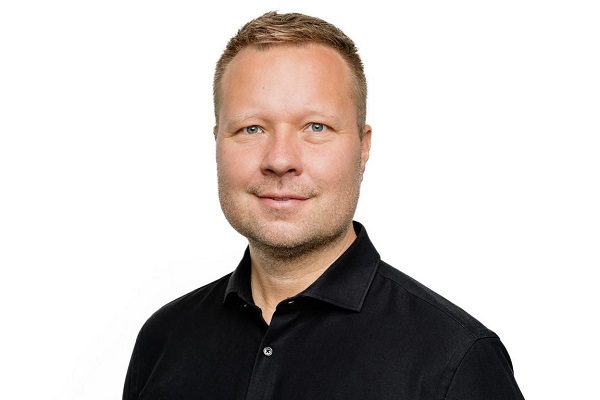
ColorForm stands for the highest surface quality and efficient series production in an integrated process. KraussMaffei is the only supplier to offer all technologies from a single source – this creates real added value for our customers said, Dr. Frank Szimmat Managing Director of KraussMaffei Technologies.

The environmental regulations for spray painting are constantly becoming stricter and are causing a boom elsewhere. ColorForm, the painting of thermoplastic components using PU flooding, is experiencing a steep rise around 15 years after its development.

At K 2025, KraussMaffei and its partner Leonhard Kurz are taking technology integration even further and combining ColorForm with a film decoration system for which a new type of mold-integrated film thermoforming concept has been developed.

The application can be seen live on a GXW 650 (with swivel plate) at the Leonhard Kurz booth (Hall 5 / A19). The innovative 3K demonstrator component, based on a headlight (length 720 millimetres), was designed in such a way that the design film provided by Leonhard Kurz is back-injected with a crystal-clear and a black polycarbonate using the in-mold labeling process.

As PC would yellow due to UV radiation and headlights are exposed to stone chips and similar stresses, the component is given its crystal-clear polyurethane coating directly in the mold.

Paint layer accurate to a tenth of a millimeter

Ready-painted straight from the injection mold: the ColorForm process gives thermoplastic components a PU coating. This can be adjusted in terms of color and feel – and is also self-healing if desired.

The complete system from KraussMaffei combines reaction process machinery and injection molding technology.  With ColorForm, the PU lacquer layers can be precisely adjusted in the tenth of a millimeter range. A range of different effect and lacquer colors are available, which, in combination with variable haptics, enable a variety of design options.

In addition to protection against chemical influences, a self-healing effect is also possible – for example in the case of fine scratches on the surface. Another visual advantage is the characteristic depth effect that ColorForm creates. The metering machines manufactured by them enable output rates of up to 500 g/s and are therefore also ideally suited for large-format components.

Suitable metering units are available for adding color, so that even demanding design requirements in the vehicle interior or on the vehicle exterior can be precisely implemented.

KraussMaffei supplies all the components of ColorForm technology as a turnkey solution from a single source – from the injection molding machine and PUR metering technology to fully integrated automation.

Industrial recycling of PU with a high proportion of foreign matter

Sustainable cycle thanks to purity gycoLine PU: The PU components of items such as refrigerators are converted into polyol with recycled content (rPolyol) at the end of their service life using an extruder in a continuous chemical process.

Photo Credit: Messe Düsseldorf

This serves as a starting material for new applications and can be processed in the metering machine without any adjustments.  PU is also frequently used for insulating applications such as refrigerators, and at the end of the appliances’ life, the question of disposal arises. Until now, PU from old refrigerators has often been incinerated, for example to generate energy in cement production, but it is foreseeable that the thermal recycling of plastics will be more restricted in the near future.

KraussMaffei is therefore in the process of industrializing a process for the continuous chemical recycling of PU through depolymerization. The project partners are BASF, Rampf (Producer of sustainable recycled polyols) and Remondis (processing and recycling of old electrical appliances).

In the purity glycoLine PU process, PU insulating foam from the Remondis refrigerator recycling plant is recycled within minutes using a co-rotating twin-screw extruder (ZE BluePower). Unlike the widely known batch process, this continuous extrusion method can efficiently handle PU regrind with contamination levels of up to 30 %, including residues of other plastics and metals.

In order to achieve depolymerization using a glycolysis process modified by RAMPF, the PUR regrind is mixed with depolymerization agents and other additives in the extruder. KraussMaffei has adapted the filtration technology required for this to the market requirements for polyols in extensive tests at its Innovation Center.

The polyols obtained from the extruder can be used at BASF as a component of innovative PU systems for the production of rigid foams with recycled content. What is particularly important here is that the process is already economically attractive today.

Metering machine ready for digitalization and autonomous operation

RimStar metering machine with new digital features: the machine and process are even easier to control, even for less experienced users. The vision for the future is autonomous operation.

At the K trade fair, visitors to the KraussMaffei booth can experience live how the PU system with recyclate content is processed into foamed insulators for beverages.

The Reaction Process Machinery team will be presenting another market launch: a RimStar series metering machine with numerous new features in preparation for digitalization and autonomous operation.

This will make the machine and process even easier to control, even for less experienced users – in future, it should even be possible to completely relieve operators of certain tasks.

Digital analysis tools such as the dataXplorer, which records and evaluates all relevant process data, are already integrated for this purpose. In future, its results will serve as the basis for automatic adjustments during the production process.

www.kraussmaffei.com

#KraussMaffei #Modernplasticsindia #Pasticsnews #ModernPlasticsIndiaMagazine
#PrintPublication #PowerofPlastics #Modernplasticssrilanka

K 2025 Marks the Turning Point Toward Smarter, Greener Plastic Lifecycles

K 2025 Marks the Turning Point Toward Smarter, Greener Plastic Lifecycles

As the world’s largest trade fair for plastics and rubber again comes to Düsseldorf this October 8th to 15th, BASF is once more on board – as it has been for every single K-Fair since the first one in 1952.

“This year, we manifest our commitment to the plastics industry, and we continue our commitment to sustainability and innovation through our global campaign, #OurPlasticsJourney. More than just a tagline, it reflects our ambition to transform the plastics industry. This journey takes time, but the destination is clear: a circular economy of plastics,” emphasizes Martin Jung, President of BASF Performance Materials.

During the K-Preview press conference of June 17, BASF has revealed the first impression of what customers can look forward to at K 2025: pioneering applications designed to customers’ requirements and highlighting genuine progress in circularity in multiple business areas and industries.

Photo Credit: Messe Düsseldorf

A product portfolio evolving toward a lower carbon footprint

BASF launched its LowPCF and ZeroPCF portfolios at K 2022 as ways to employ renewable electricity, low-emission steam, and renewable raw materials in a mass balance approach to lower the Product Carbon Footprint (PCF) by at least 30%. VAUDE’s bike backpack, which uses Ultramid ZeroPCF—the first polyamide 6 in the market to reach a CO2 footprint of net zero—is a recent example of a ZeroPCF product innovation.

Building on this, BASF has now launched a reduced PCF product range, rPCF, aimed at PCF improvements using renewable electricity and steam alongside the production process. The offering is now available in BASF’s Engineering Plastics and Thermoplastic Polyurethanes sustainability toolbox. It follows BASF’s achievement of completely switching all its European Performance Materials plants to renewable electricity powered by solar and wind energy.

Make becomes circular

While technology and processes are major levers of transformation, the use of alternative raw materials is equally essential. At K 2025, BASF will showcase products for which fossil resources are replaced with renewable feedstock at the beginning of the production process using the Biomass Balance approach. This helps reducing the carbon footprint of:

  • Siemens circuit breaker SIRIUS 3RV2: Ultramid BMB and Ultradur BMB
  • Certified compostable and soil-biodegradable biopolymers: ecovio and Ecoflex BMB
  • ZARA bodysuit: Ultramid BMB

Additionally, BASF replaces fossil resources with feedstock from the chemical recycling of plastic waste in a mass balance approach for its Ccycled portfolio:

Transformation is not only about materials, but also about data. As the industry moves toward greater transparency and accountability, digital tools become essential to enable and accelerate the green transformation. To support this, BASF offers the PACIFIC app that provides standardization and interoperability in PCF data exchanges of plastic materials. Designed for ease of use, the PACIFIC app is seeing growing adoption across stakeholders in the value chain.

Alexander Weiser, Senior Vice President, Head of BASF, Photo Credit: Messe Düsseldorf
“With rPCF, we are giving customers flexibility to customize their products’ carbon footprint by opting for renewable energies in our production process. This is a logical next step in both their green transformation and ours,”- Alexander Weiser, Senior Vice President, Head of BASF.

Use of plastics’ strengths

Plastics bring unique benefits to many applications that often extend their lifespan. This is particularly important for future technologies, such as the production of green hydrogen. For example, Ultrason S3010 (PSU: polysulfone) enables the production of larger, more robust and durable parts like frames in stacks for alkaline electrolyzers developed by Stargate Hydrogen.

In high-performance household appliances like the latest Thermomix by Vorwerk Elektrowerke, BASF’s engineering plastics, Computer-Aided Engineering (CAE), and testing capabilities support complex applications. Several parts are made of either Ultramid  Advanced N (PPA: polyphthalamide) or Ultramid A (PA66: polyamide 66), selected for their high temperature stability and mechanical strength respectively.

In the eMobility sector, BASF has developed a next-generation battery demonstrator featuring advanced plastic material solutions to enhance lightweighting, thermal management, safety and performance.

Recycle is the new Make

As part of its commitment to a circular plastics economy, BASF is scaling up complementary recycling technologies to give waste a second life. Across various industries – packaging, furniture, appliances, textiles and vehicles – new solutions demonstrate how recycling becomes an engine of innovation.

To support efficient recycling processes, BASF subsidiary trinamiX provides a handheld tool for fast and reliable identification of different plastic and textile types. The trinamiX Mobile NIR Spectroscopy Solution facilitates cleaner sorting and improved recycling outcomes.

For paper-based food packaging, BASF extends the end-of-life options to organic recycling. Its tailored certified home and industrial compostable ecovio allows coating on paper food articles to achieve necessary barrier properties, especially for liquid and fatty ingredients.

As a leader in the polyurethanes (PU) business for more than 60 years, BASF is committed to demonstrating PU’s versatility and recyclability:

  • Together with its long-standing partner Vitra, BASF is showcasing the world’s first economically recyclable flexible foam for furniture.
  • In collaboration with Krauss Maffei, Rampf and Liebherr, BASF is also developing an efficient chemical recycling process to return polyurethane to the same material cycle. In a stable, continuous industrial depolymerization process, recycled polyols are produced, which can be used to manufacture new PU rigid foams as insulation material in refrigerators. By using post-consumer waste from end-of-life refrigerators as feedstock, the consumption of fossil resources can be significantly reduced.

Thermoplastic polyurethanes (TPU) also enter the circular economy: the new Elastollan RC grades include up to 100% recycled content with close to virgin performance by re-using post-industrial and post-consumer TPU waste.

With loopamid, BASF has developed an innovative solution to improve circularity in the fashion industry and recycle post-industrial and post-consumer polyamide 6 textile waste over multiple times.

Finally, BASF is advancing numerous projects in the recycling of automotive plastics via mechanical recycling, solvent based recycling, depolymerization and high temperature recycling such as gasification.

www.basf.com

#basf #Modernplasticsindia #Pasticsnews #ModernPlasticsIndiaMagazine
#PrintPublication #PowerofPlastics #Modernplasticssrilanka

K 2025 Puts the Spotlight on Expert-Led, Purpose-Driven Extrusion Innovation

K 2025 Puts the Spotlight on Expert-Led, Purpose-Driven Extrusion Innovation

Performance. Perfected. For you – with this slogan, KraussMaffei will be presenting at K 2025 (Düsseldorf, October 8th – 16th) how leading-edge technologies and a top customer orientation provide measurable added value. The focus of extrusion technology is on solutions for more efficient and future-oriented plastics processing – from large-scale industrial polymer production to pipe and profile extrusion and to efficient recycling processes. The trade fair appearance will be supplemented by digital innovations to enable smart, low-operator production.

Photo Credit: Messe Düsseldorf

The development roadmap for the coming years is clearly defined: “We are working specifically on new developments to continuously increase customer benefits, actively maintaining our products and resolutely driving forward the digitalization and automation of our products.” This is how KraussMaffei Extrusion is creating the foundation for sustainability, economic success and technological progress. “And we are making this tangible for visitors at K 2025 in Düsseldorf,” says Ralf Benack.

Future market petrochemicals: New processing extruder for raw polymer production

One of the latest significant advancements is the latest generation of ZE Petrochemical (ZE-PC) compounding extruders, specifically designed for the high requirements of large-volume polymer manufacturing. Drawn from the successful BluePower technology, the co-rotating twin-screw extruders – with screw diameters up to 400 mm – integrate energy efficiency with superior processing quality.

“Thanks to a D/d ratio of 1.65, torque densities of up to 16 Nm/cm³, and variable-speed drives, the machines can run at lower screw speeds without compromising throughput. This lowers the specific drive power and reduces the melt temperatures, which lowers the risk of degradation,” explains Dr. Thomas Unger, Vice President Technologies at KraussMaffei Extrusion. At the same time, the larger diameter ratio ensures significantly more effective degassing. “This allows us to offer our customers an economical, reliable and material-friendly solution,” he adds.

Ralf Benack, Managing Director of KraussMaffei Extrusion GmbH, Photo Credit: Messe Düsseldorf
“Performance. Perfected. For you. reflects our commitment to delivering advanced extrusion solutions – technically refined, highly efficient, and consistently geared to the requirements of our customers, Our strength lies in the combination of highly developed mechanical engineering and deep process know-how – all from a single source, reliably delivered worldwide.” –  Ralf Benack, Managing Director of KraussMaffei Extrusion GmbH

Increased output, reduced investment – cost-optimized recycling processes

Bottle-to-bottle PET recycling to material preparation for chemical processes – as a circular economy innovation driver, KraussMaffei Extrusion provides trailblazing solutions for any type of recycling. In the field of PET recycling, KraussMaffei Extrusion is showing a high-performance twin-screw system from the BluePower series for throughputs of up to 12 tons per hour. The technology answers the growing need for greater output and more energy- and cost-effective processing. It is up to 20% lower in energy consumption compared to traditional twin-screw systems. They are compatible with standard SSP units and yield food-grade rPET.

In chemical recycling, KraussMaffei Extrusion is focusing on key technologies: high-performance extruders for processing material streams – for example, to produce pyrolysis oils – efficiently implement crucial process steps such as dewatering, degassing and the removal of impurities. Pressures of up to 200 bar and the retractable UltraGlide system with easy-to-maintain screws enable customized solutions for demanding recycling applications.

KraussMaffei Extrusion has also refined its EdelweissTechnology for processing recyclates more efficiently – even with fluctuating material properties. The focus is clearly on process optimization and cost efficiency. The twin-screw extruder covers all process steps: degassing, filtering and compounding. “This integrated setup can lower investment costs by up to 25%,” says Dr. Thomas Unger.

More efficient research, more economical production: ZE BluePower in a new design

Whether for research or daily production – the new generation of the ZE BluePower twin-screw extruders offers clear advantages. The new ZE 28 BluePower scores with improved operation, greater energy efficiency and digital networking via ppC (pioneer processControl). The larger ZE 42-80 series has also been comprehensively redesigned – with a focus on simple maintenance, digital interfaces and an optimized modular system. “For our customers, this means a better price-performance ratio and shorter delivery times – real advantages in day-to-day operations,” says Dr. Thomas Unger.

New multilayer pipe head processes up to 100% recyclate

With its newly developed PVC multilayer pipehead, KraussMaffei Extrusion is demonstrating how pipe and profile extrusion can be made more sustainable and future-proof. The system processes up to 100% recycled PVC – even with varying material quality. The layer configuration can be flexibly adjusted depending on the application. A newly designed flow system prevents spiderlines and ensures consistent product quality with optimal material usage.

Digital transformation: rethinking machine control

With the new ppC (pioneer processControl) control system, KraussMaffei is bringing greater clarity and efficiency to extrusion processes. Instead of complex operating logic, ppC relies on intuitive processes, clearly structured user guidance and a unified user interface. This shortens the learning curve, reduces the amount of training required and makes everyday production easier. Its modular design enables use across all extrusion tasks – from Flat & Foam to Pipe & Profile through to Compounding and Recycling.

Integration into existing systems is also easy: interfaces for connecting to third-party devices such as metering devices, measuring systems and higher-level systems such as MES or DCS enable the central operation and monitoring of entire systems. This ensures greater transparency and process reliability.

Looking ahead: on the way to production without operators

In view of growing staff shortages, KraussMaffei Extrusion is developing digital tools for production without operators (PWO). Start-up workflows, AI-supported assistants and HMI solutions for mobile use make it easier to monitor entire lines – with fewer personnel. The first systems are already running unmanned at weekends – a milestone towards lights-out manufacturing.

Tailor-made Lifetime Service for maximum system efficiency

With its Lifetime Service, KraussMaffei Extrusion offers a comprehensive service concept that goes far beyond routine maintenance. “From commissioning and targeted modernization and data-based services, we support our customers throughout the entire life cycle of the system – reliably, proactively and with personalized solutions,” says Ralf Benack. Whether it’s spare parts, remote support, training, or digital condition monitoring, the goal is always the same: maximum plant availability, consistent product quality, and a sustainable boost in overall efficiency.

Performance. Perfected. For you.

KraussMaffei Extrusion’s presence at K 2025 underlines its commitment to combining innovative technologies, sustainable solutions and maximum cost-effectiveness in perfectly coordinated system solutions – individually tailored to customer requirements along the entire polymer processing value chain.

www.kraussmaffei.com

#KraussMaffei #Modernplasticsindia #Pasticsnews #ModernPlasticsIndiaMagazine
#PrintPublication #PowerofPlastics #Modernplasticssrilanka