Catalysts & Adsorbents: Accelerating The Circular Plastics Economy
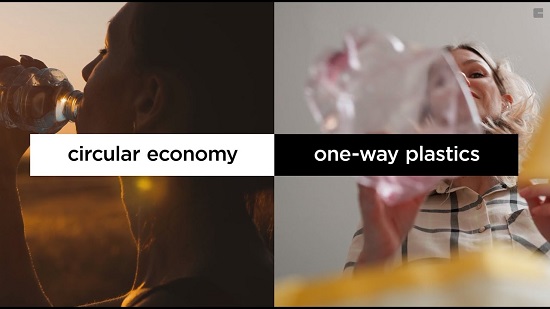
New ways of plastic recycling are at the heart of our EcoCircle platform. By pioneering innovative methods, EcoCircle is transforming the traditional linear plastics value chain into a dynamic circular economy, all while making a meaningful impact on the UN Sustainable Development Goals (SDGs).
Recycling plastic waste significantly supports quite several SDGs. First, SDG 12: ensuring sustainable consumption and production patterns. While avoiding plastics is ideal but often impractical, and mechanical recycling has its technical limitations, chemical recycling emerges as a crucial solution for achieving a more sustainable plastics economy.
Reducing plastic waste directly contributes to SDGs 14 and 15, which focus on protecting, conserving, and sustainably using life on land and below water. This reduction mitigates the threat posed by (micro)plastics, leading to positive impacts on our health and well-being, thereby advancing SDG 3.
Lastly, active, and environmentally conscious recycling of plastics reduces the need for fossil fuels in the production of new plastics. This leads to lower CO2 emissions and supports urgent actions against climate change, aligning with SDG 13.
By developing specific products and solutions, such as our adsorbents and catalysts for advanced recycling processes– we put our EcoCircle commitment into action, practically supporting the achievement of the SDGs.
Driving sustainable plastic recycling through innovation
When we hear ‘plastic’ and ‘waste’, we often picture sprawling landfills or plastic floating in the oceans. In fact, plastic pollution has become one of the most pressing environmental issues today.
Since the 1950s, global demand for plastic products has been rising and is expected to keep growing until 2050. This surge challenges our ability to manage plastic waste and shift from a throwaway culture to a circular approach. This is exactly where our company wide EcoCircle platform steps in. EcoCircle looks at the entire plastics value chain to find new and sustainable ways to close the loop.

We focus on developing innovative technologies and specialty chemicals, as well as fostering cross-company collaboration. One of the many areas we are currently working on is chemical recycling of plastic waste, which allows us to continue recycling where mechanical recycling ends.
The challenge: increasing the recycling rate
To identify the best ways to fill the gaps in mechanical recycling, we need to understand its limitations. Mechanical recycling works best for single-source thermoplastics like PE, PP and PET. But “hard-to-recycle” raw materials – mixed waste, highly contaminated plastics, or thermosetting materials – usually end up in energy recovery or other end-of-life applications. In other words: We need alternatives to handle these waste fractions and close the recycling loop.
So, what’s chemical recycling all about? Thermo-chemical processes break down waste materials into smaller building blocks. Pyrolysis, for example, operates without oxygen, converting plastic waste into chemicals or valuable feedstock that can replace fossil fuels in the production of new plastic. Despite its benefits, pyrolysis still lacks legislative acceptance, and challenges like energy intensity and impurity thresholds need improvement. Catalytic pyrolysis, for example, can reduce impurities, enhance process conditions, and increase liquid yields.
Improving the process: our adsorbents and catalysts
Pyrolysis oil qualities produced through catalytic pyrolysis show promising qualities, yet there’s room for improvement with effective purification. Adsorbents play a crucial role, especially when they can be easily regenerated, reducing impurities in pyrolysis oils, and enhancing its value.
Going one step further, a strategic combination of complementary catalysts and adsorbents not only lowers costs in addressing contaminants but also upgrades pyrolysis oils to meet steam-cracker specifications. With our innovative HDMax catalysts and Clarit adsorbents, we introduce our Adaptable PyOil upgrading technology, offering flexible and economically viable solutions to advance toward a circular plastic economy.
#clariant#modernplasticsindia #modernplasticsasia #plasticsislife #plasticstalk #modernplastics #modernplasticsworld #pasticsnews #plasticsisgood #plasticsplanet#plasticsrecycling#plasticmagazine #plasticIndustry#modernplasticsmiddleeast#indianmagazine#innovations #modernplasticsamerica #modernplasticsbangladesh #modernplasticsasia #modernplasticsitaly