Managing the financial side of mobile gaming should feel simple, yet many users find themselves swamped by the sheer variety of deposit and withdrawal methods available today skycrowns.de. A thoughtfully crafted casino application includes payment systems that focus on speed, security, and convenience, allowing players to concentrate on entertainment rather than transaction logistics. Comprehending the mechanics behind these options transforms a routine task into a strategic advantage. If a user opts for traditional banking, digital wallets, or cutting-edge cryptocurrency, each method has distinct characteristics that influence processing times, fees, and overall accessibility. This comprehensive guide covers every facet of mobile casino payments, delivering clarity for both newcomers and experienced players who seek seamless financial interactions within their chosen gaming environment.
Smartphone-Focused Payment Technologies
The mobile gaming revolution has spawned payment innovations designed specifically for smartphone users. These technologies harness device capabilities such as biometric sensors, near-field communication chips, and operating system-level payment frameworks. Apple Pay and Google Pay are the most prominent examples, enabling players to fund casino accounts using stored cards without manually entering payment details. Carrier billing offers another mobile-native option, applying deposit amounts directly to phone bills or deducting from prepaid balances. These methods shine in convenience, cutting deposit friction to mere seconds while preserving security through device-level authentication. The integration between mobile payment systems and casino apps persists deepening as operators recognize that players who deposit easily deposit more frequently.
Apple Pay with Google Pay in Casino Apps
The inclusion of Apple Pay and Google Pay inside casino applications represents a substantial advancement in deposit convenience. These services secure card information, swapping actual card numbers with device-specific tokens that become ineffective if intercepted. Authentication occurs through biometric verification, necessitating Face ID, Touch ID, or fingerprint confirmation before transactions process. This security model removes the vulnerability linked with typing card details into apps while greatly accelerating the deposit experience. Players easily select the Apple Pay or Google Pay option, authenticate with their device, and approve the amount. The entire interaction finishes in under ten seconds. Availability depends on both casino operator implementation and regional support for these services, with coverage growing steadily as mobile payment adoption grows globally across all merchant categories.
Mobile Billing and Prepaid Solutions
Carrier billing offers distinct advantages for occasional players who favor separating gambling expenditures separate from banking relationships entirely. This method enables deposits to be reflected on mobile phone bills or withdraw from prepaid airtime balances, eliminating the need for bank accounts or cards. Transaction limits typically to be lower than other methods, making carrier billing suitable for recreational players instead of high-volume users. Prepaid vouchers like Paysafecard deliver analogous separation, necessitating players to buy vouchers with cash at retail locations prior to entering codes within the casino app. These methods particularly resonate to users in regions with lower banking penetration or those who keep rigid gambling budgets. The anonymity aspect attracts players concerned about gambling transactions appearing on bank statements, though withdrawal options are limited, usually requiring different methods for collecting winnings.
Troubleshooting Common Payment Issues
Even casino payment systems occasionally pose difficulties that annoy users undertaking deposits or withdrawals. Recognizing common failure points permits faster resolution and decreases anxiety when transactions are not completed as expected. Most issues stem from bank-side restrictions, incomplete account verification, or temporary technical glitches rather than fundamental problems with casino platforms. Structured troubleshooting approaches resolve the vast majority of payment problems without needing extended customer support interactions. Players who acquaint themselves with these common scenarios cut down on time and preserve uninterrupted gaming sessions.
Rejected card transactions commonly are caused by issuing bank policies instead of insufficient funds, necessitating players to contact their financial institution and authorize gambling-related payments. Verification delays take place when submitted documents contain discrepancies, such as addresses not corresponding those registered with the casino account. Withdrawal processing times lengthen beyond expectations when players pick methods with naturally slower settlement periods, like wire transfers. Technical failures during deposit attempts sometimes resolve simply by restarting the application or clearing cache data. When self-help measures are unsuccessful, reputable casino apps provide responsive customer support channels including live chat, which commonly offers the fastest resolution for payment-related inquiries. Keeping records of transaction attempts, including screenshots of error messages, hastens the support process significantly.
Crypto Payment Solutions
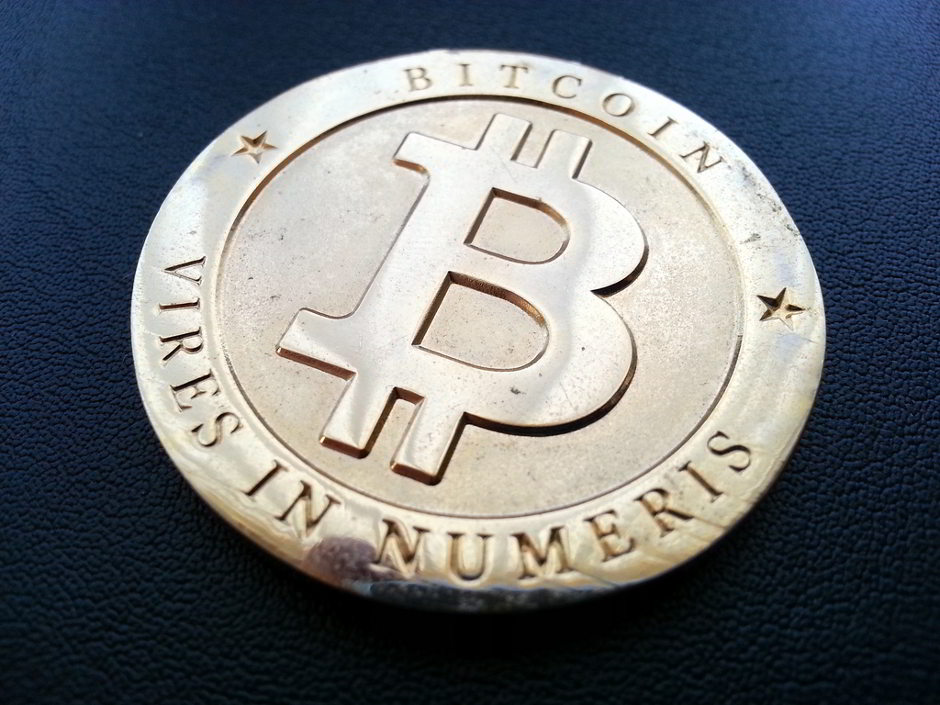
Cryptocurrency has transitioned from niche curiosity to standard payment option within forward-thinking casino applications. Bitcoin, Ethereum, Litecoin, and stablecoins such as USDT provide transaction characteristics fundamentally different from fiat alternatives. Blockchain technology permits anonymous transfers that attract security-minded players while offering settlement finality that removes chargeback risks for operators. Transaction fees differ dramatically based on network congestion and preferred cryptocurrency, ranging from nominal to considerable during peak periods. The learning curve linked to wallet management and exchange purchases initially limited adoption, but intuitive casino apps have streamlined the process significantly. Today, players can often purchase cryptocurrency directly through built-in exchange services within casino platforms, removing technical barriers that formerly prevented average users from using these payment rails.
Pros and Cons of Crypto Payments
The perks of cryptocurrency for casino app transactions reach beyond the frequently cited privacy benefits. Withdrawal handling constitutes arguably the most compelling use case, with crypto transfers typically completing within minutes to hours irrespective of the sum, eliminating the multi-day waiting periods standard for banking methods. Deposit limits frequently surpass fiat alternatives, as blockchain payments do not go through intermediary banks applying arbitrary restrictions. However, volatility brings risk for players holding balances in non-stablecoin cryptocurrencies between gaming sessions. A significant win received as Bitcoin could depreciate significantly before conversion to fiat currency. Additionally, the irreversible nature of blockchain transactions signifies errors in wallet addresses lead to permanent fund loss, demanding heightened attention during the payment process. Players must evaluate these elements against the undeniable speed and autonomy benefits.
The Way Casino Apps Manage Crypto Transactions
Casino applications employing cryptocurrency commonly create custom deposit addresses for each transaction, ensuring funds route correctly to player accounts. The process begins when a user selects their preferred cryptocurrency and sets a deposit amount. The app presents a wallet address, often paired by a QR code for mobile wallet scanning, and the player transfers funds from their external wallet or integrated exchange account. Blockchain confirmations dictate when funds become available for play, with most operators requiring between one and six confirmations depending on the cryptocurrency. Some platforms have adopted zero-confirmation policies for small deposits, granting accounts instantly while accepting the minimal risk of double-spend attacks. Withdrawals require players to supply their receiving wallet address, after which the casino sends the transaction to the network. Transaction hashes enable players to independently confirm processing on public block explorers.
Understanding the Core Payment Infrastructure
The foundation of any trustworthy casino application lies in its payment infrastructure, which functions through encrypted gateways bridging players to financial institutions. Modern platforms use multiple layers of security protocols, including SSL encryption and tokenization, assuring sensitive data never passes unprotected across networks. When a user starts a transaction, the app connects with payment processors that verify funds, authenticate identity, and authorize transfers within seconds. This invisible architecture dictates whether deposits appear instantly or require waiting periods. The complexity of this infrastructure influences user experience, as poorly optimized systems cause declined transactions, unexplained delays, and frustrated players. Quality operators commit heavily in redundant payment pathways, ensuring that if one processor experiences downtime, alternatives immediately assume control without disrupting service.
The Manner Transaction Processing Operates Behind the Scenes
Each press of the deposit button activates a intricate sequence that most users never observe. The app first secures transaction details before directing them through a payment gateway, which acts as an middleman between the casino and acquiring banks. This gateway performs initial fraud checks, analyzing factors like transaction velocity, device fingerprinting, and geographic anomalies. Once cleared, the request gets to the card network or alternative payment provider, where additional verification occurs. The issuing bank then accepts or declines based on available funds and internal risk rules. This entire chain typically completes within three to five seconds for successful deposits, though certain methods include additional steps that extend processing time. Grasping this flow helps players recognize why some methods feel instant while others require patience.
The Role of KYC and Compliance in Payments
Know Your Customer processes constitute non-negotiable parts of certified casino financial systems. Prior to processing significant payouts, platforms must verify player details through records including official ID, residence confirmation, and occasionally financial source declarations. These prerequisites, even if regarded as unwieldy, safeguard both providers and clients from fraud, money laundering, and underage gambling. The validation process typically occurs once, afterward subsequent payments flow unimpeded. Forward-thinking platforms have improved this process through automated document scanning and artificial intelligence-driven validation, cutting approval durations from a few days to just hours. Players should prepare for these requirements and organize documents in advance, specifically when intending substantial transactions that will undoubtedly prompt enhanced examination under regulatory frameworks.

Regional Differences and Currency Handling
Payment method accessibility differs significantly across various regions, determined by local regulations, banking infrastructure, and player preferences. Casino apps serving international audiences must navigate this intricate environment, offering payment options adapted to individual markets. Currency options adds another dimension, as players typically prefer operating in their native denominations to sidestep currency conversion fees. Casino platforms with multiple currencies solve this by holding balances in de.wikipedia.org different currencies or providing favorable conversion rates. Understanding regional payment ecosystems helps gamblers predict which methods will be accessible and prepare accordingly when traveling or using casino apps across borders.
- European territories feature high e-wallet usage alongside open banking solutions that facilitate immediate bank transfers without credit card information
- Asian jurisdictions demonstrate widespread mobile wallet usage, with local services like Alipay and WeChat Pay prevailing alongside digital currency acceptance
- North American players experience card-dominated environments with rising usage of PayPal and emerging cryptocurrency options as rules change
- Latin American markets progressively adopt domestic payment solutions including Boleto, OXXO, and several regional e-wallet services designed for unbanked communities
- African territories demonstrate creative mobile money adoption through services like M-Pesa, which combine telecom infrastructure with monetary transactions
E-Wallet Options and Digital Payment Systems
Electronic wallets have transformed how gamblers engage with gaming platforms, bringing levels of ease and privacy that conventional approaches cannot rival. Providers such as Skrill, Neteller, PayPal, and ecoPayz function as buffers between financial accounts and betting platforms, securing sensitive financial details from various entities. Customers fund their e-wallet wallets through multiple options, then fund casinos using only their e-wallet details. This distinction proves particularly valuable for users who prefer keeping betting activities separate from regular banking documents. The time benefit extends to cashouts, with many e-wallets handling casino payments within short periods rather than multiple days. As mobile commerce continues growing worldwide, e-wallet adoption among gambling users accelerates correspondingly, driven by phone-based payment experiences that appear intuitive to contemporary players.
Popular E-Wallet Providers Compared
Each major e-wallet offers distinct attributes to the mobile casino journey. Skrill and Neteller, both operated by the Paysafe Group, have deep connections with gambling sites and often feature reduced fees for gaming operations. PayPal offers exceptional consumer trust and buyer protection measures, though its availability varies significantly by jurisdiction due to differing regulatory approaches on gambling. ecoPayz provides multi-currency functionality appealing to international users who transact across different currencies. MuchBetter emphasizes mobile-first interface with device-based security options including fingerprint and facial recognition. When picking an e-wallet, players should consider factors beyond brand recognition, considering currency conversion costs, withdrawal rate to their bank profiles, and whether the casino offers exclusive bonuses for specific payment options.
Setting Up and Using Digital Wallets
Creating a digital wallet account demands little time but needs thoroughness during the verification process. Players usually submit email addresses, establish robust passwords, and undergo identity confirmation by uploading identification documents and proof of address. This initial process grants access to fund the wallet through bank transfers, card payments, or even cryptocurrency in some cases. Once funded, depositing at a casino app means choosing the wallet option, inputting the deposit sum, and confirming through the wallet’s authentication system, which may include two-factor verification. Payouts work in the opposite direction, with casino winnings arriving in the wallet before users transfer funds to their bank accounts. The intermediate step adds flexibility, allowing players to redistribute funds across multiple casinos or hold balances for future gaming sessions without repeatedly exposing banking details.
Reviewing Fees and Transaction Times
Smart payment method selection necessitates understanding the complete cost picture outside of advertised features. Casino operators hardly ever charge deposit fees, but payment providers themselves may impose costs ranging from negligible percentages to substantial fixed amounts. Currency conversion constitutes a frequently overlooked expense, notably for international players depositing in currencies different from their casino account denomination. Processing times generate opportunity costs, as funds tied up in pending withdrawals cannot earn interest or be utilized elsewhere. The following breakdown emphasizes key considerations players should evaluate when choosing payment methods for their mobile casino activities.
- Deposit speed: E-wallets and cryptocurrencies commonly process instantly, while bank transfers may need one to five business days before funds appear in casino accounts
- Withdrawal processing: Casino internal review periods extend from hours to days, after which payment method speed determines final delivery time
- Currency conversion fees: Dynamic currency conversion at casinos often entails unfavorable exchange rates versus converting through payment providers or banks before depositing
- Monthly maintenance costs: Some e-wallets apply inactivity fees or account maintenance charges that accumulate if accounts sit dormant between gaming sessions
- Minimum and maximum limits: Payment methods carry different transaction floors and ceilings that may not align with individual playing budgets
Security Features Protecting Mobile Payments
Security of mobile casino payments extends far beyond standard password safeguards, employing multiple protection layers that work nonstop. Encryption standards scramble data during sending, leaving intercepted information ineffective to attackers. Token swapping replaces confidential card data with placeholder values, ensuring actual financial data never stays on casino servers. Two-factor authentication adds authentication steps beyond passwords, typically requiring codes from secondary devices or fingerprint or face recognition. These methods work together to create security stances that go beyond those of many financial apps, indicating the gambling industry’s rigorous regulatory control regarding money transfers. Users should comprehend these protections to recognize the security of correctly licensed casino applications while keeping cautious about their own protection routines.
Encryption Standards and Information Security
Advanced casino applications use encryption standards first designed for military and banking use. Transport Layer Security protocols establish encrypted tunnels between player devices and casino servers, blocking man-in-the-middle attacks that seek to intercept payment data. Sophisticated platforms implement Perfect Forward Secrecy, producing unique encryption keys for each session so that breaching one key cannot expose past or future communications. At rest, stored data is subject to encryption using AES-256 standards, the same specification authorized for classified government documents. These technical measures function invisibly, demanding no user configuration while delivering robust protection. Players can verify encryption implementation by looking at the padlock icon in their browser or app security indicators, though mobile apps demand relying on that operators have properly implemented these standards within their native code.
Safe Gambling and Payment Controls
Payment systems within trusted casino apps perform dual purposes, facilitating transactions while offering safe gaming tools that protect at-risk players. Deposit limits let users to restrict per day, each week, or monthly funding amounts, forming firm limits that stop impulsive overspending. Reality check features monitor playtime and outlay, sending notifications when predetermined thresholds are reached. Voluntary ban mechanisms integrate with payment systems to block all deposits for set durations, preventing deposit attempts during cooldown intervals. These tools work at the payment gateway level, implying they function irrespective of which payment method a player attempts to use. Operators devoted to user well-being render these tools prominent and easy to use, recognizing that long-term entertainment requires robust monetary protections that allow users to keep authority over their expenditure habits.
Conventional Payment Options on Mobile

Despite the spread of digital alternatives, traditional banking methods remain among the most trusted payment options for casino app users worldwide. Credit and debit cards issued by Visa and Mastercard control this category, offering familiarity that breeds confidence among players who might be reluctant to adopt newer technologies. Bank transfers, while slower, appeal to high-volume players prioritizing security and higher transaction limits over speed. These established methods benefit from decades of consumer protection evolution, chargeback mechanisms, and universally recognized dispute resolution procedures. The psychological comfort of using the same payment tool for grocery shopping and casino deposits should not be underestimated among demographics less at ease with purely digital financial products.
Credit and Debit Card Operations
Card payments represent the entry point for many mobile casino users, delivering instant deposits with basic setup requirements. Players merely enter their sixteen-digit card number, expiration date, and CVV code to credit accounts instantly. The broad acceptance of Visa and Mastercard guarantees near-universal compatibility across casino applications, eliminating the hassle of encountering unsupported payment methods after registration. However, card users need to understand that particular issuing banks block gambling-related transactions according to internal policies or regional regulations. Declined deposits often result from bank restrictions rather than casino-side issues, demanding players to contact their financial institution for assistance. Withdrawal processing via cards usually needs three to five business days, longer than the majority of digital alternatives but suitable for players who value consistency over speed.
Wire Transfers and Wire Transfers
Bank transfers serve a specific segment of casino app members who place importance on safety and high transaction caps above all else. These transactions move capital directly from bank accounts and casino operator accounts excluding intermediary e-wallets or gateways, reducing the amount of parties handling sensitive financial data. Transaction durations vary between one to five business days depending on the banking entities involved and as to whether transfers cross international borders. The primary edge is evident in deposit and withdrawal thresholds, which generally surpass those of cards or e-wallets by substantial margins. High-stakes gamblers often choose this route notwithstanding the waiting period, as the capacity to move five or six-figure sums in single transactions exceeds speed factors. Some gaming sites also offer instant bank transfer solutions through open banking connections, narrowing the gap between traditional banking and modern expectations.
Emerging Directions in Casino App Payments
The payment landscape keeps developing rapidly, with emerging technologies ready to revolutionize how players fund their casino app accounts. Open banking initiatives aim to remove card networks from transaction chains, allowing direct account-to-account transfers with enhanced speed and reduced costs. Central bank digital currencies may eventually provide government-backed digital payment rails merging cryptocurrency efficiency with fiat stability. Biometric authentication will probably intensify, potentially enabling payments authenticated by behavioral patterns rather than explicit user actions. Artificial intelligence is set to drive fraud detection systems, minimizing false declines while identifying sophisticated attack patterns. These developments suggest a future where payment friction nears nothing, with transactions taking place seamlessly as players focus entirely on their gaming experience.
Casino operators adopting payment innovation today set themselves up favorably for tomorrow’s expectations. The integration of multiple emerging technologies into cohesive payment experiences will set apart industry leaders from followers. Players benefit from this competition through increasingly seamless transaction experiences, lower costs, and greater choice. The convergence of mobile technology, financial innovation, and regulatory evolution produces an environment where the payment methods accessible five years from now could hardly look like today’s options. Staying informed about these developments permits players to leverage new capabilities as they become available, optimizing their casino app experience through informed payment method selection that weighs speed, cost, security, and convenience according to individual priorities.